How Lemon Vibrators Help When You Can't Orgasm With a Partner Present
Performance anxiety is real. Here's why a lemon clitoral vibrator can be the circuit-breaker that lets your body respond, even when your brain is watching.
Your partner is right there. You want it to work. And the moment you want it to work, your nervous system decides it's time to lock down. No blood flow, no sensation, no finish line. It's not broken. It's actually a sign your body is paying attention to threat, even though there isn't one.
This happens to so many people that clinical therapists have a name for it: spectatoring. You're watching yourself have sex instead of experiencing it. And the harder you try to snap out of it, the deeper you lock in.
When someone else is present and invested in the outcome, your sympathetic nervous system (the fight-or-flight one) gets loud. Cortisol rises. Blood vessels constrict. The parasympathetic nervous system, which handles arousal and orgasm, gets drowned out.
Meanwhile, your conscious mind is running commentary: "This is taking too long." "They're going to get tired." "What if I can't finish?" That internal narration is the enemy of orgasm. Orgasm happens when your prefrontal cortex (the thinking part) goes quiet and your limbic system takes over.
The research is clear: performance anxiety is one of the most common reasons for orgasm difficulties with partners. And it affects people across every gender and age.
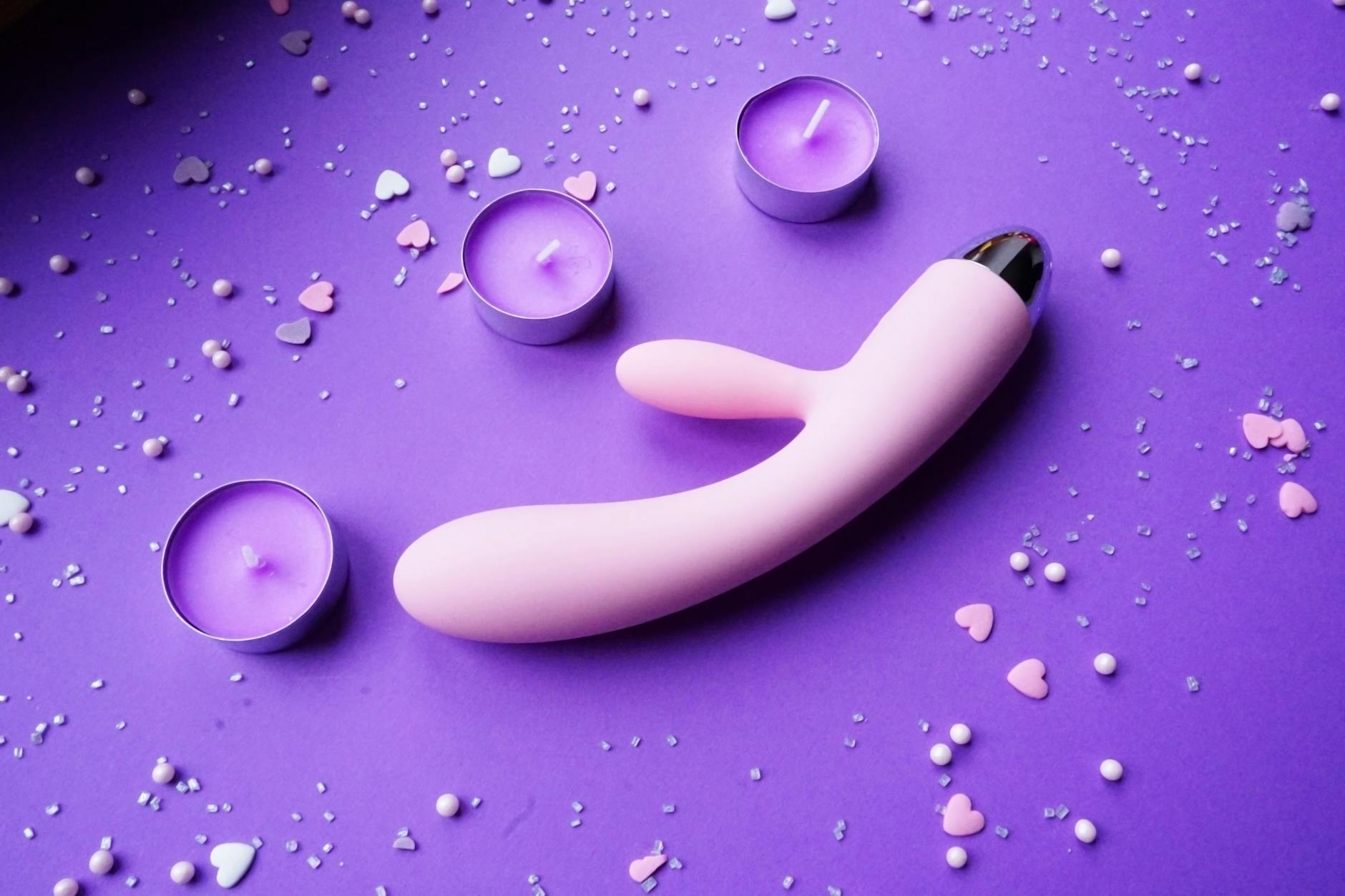
A lemon clitoral vibrator like the Lem works for this specific problem because it does something your partner's body cannot: it provides consistent, external stimulation that bypasses the need for trust in another person's timing.
That sounds clinical. What it actually means is simpler. With a partner, there's negotiation happening in real time. You're managing their pleasure, their stamina, their ego. With a lemon vibrator, you're managing one variable. Yourself.
The suction-based technology in devices like the Lem is particularly useful here. Because suction stimulates nerves without the kind of direct friction that can feel vulnerable or overstimulating when someone's watching, it creates a sensation that feels almost like it's happening to you rather than being performed. That distinction matters for the nervous system.
One thing I see repeatedly in my practice: when a partner suggests "Maybe use the vibrator," something shifts. Suddenly, the orgasm isn't a performance for them anymore. It's a shared experience, but with you in control of the outcome.
That's permission. And permission is half the battle. Permission to focus on yourself. Permission to take the time you need. Permission to not perform.
Many people find that once they've had a successful orgasm with a lemon clitoral vibrator in the room (and a partner who's genuinely present, not judging or timing), the nervous system learns it's safe. And over time, the spectatoring habit loosens. You might eventually be able to orgasm without the vibrator in that scenario. Or you might not. Both are fine.
1. Introduce it separately first. Have your first experiences with a lemon vibrator alone, where there's zero performance pressure. Get used to the sensation, find your favorite settings, figure out where on your body and in your routine it works best. This removes the variables.
2. Tell your partner directly. Not in the moment, not tentatively. "I want to use a vibrator when we're together, and here's why: it helps my body relax." Frame it as a nervous system thing, not an indictment of them. Because it isn't one.
3. Start with outercourse only. Don't make it the grand finale the first time. Use the lemon vibrator during foreplay, when there's less pressure. Let your partner see you use it, touch it, be curious about it. Familiarity kills a lot of the awkwardness.
4. Give feedback in the moment. "That feels good." "Give me a second." "Come closer." This turns it from a solo experience into a partnered one, even though the device is doing the heavy lifting.
Sometimes, not being able to orgasm with a partner present isn't just performance anxiety. Sometimes it's a sign that trust, attraction, or emotional safety is missing.
If you can orgasm alone with a vibrator easily, but the moment a partner is in the room it shuts down, that's usually spectatoring. If you can't orgasm alone either, or if you've never had an orgasm that way, that's a different conversation. Talk to a therapist who specializes in sexual health. This isn't a problem a lemon sucker can fix alone.
But if it's specifically the partner being present that kills it, a lemon clitoral vibrator often does break that cycle. Because it gives your brain something else to focus on: the sensation itself, not the performance of sensation.
Many couples find that introducing a vibrator actually deepens connection. Because it removes the pressure for both people. Your partner gets to see you in pleasure without being responsible for it. You get to experience pleasure without managing their experience. Everyone's nervous system relaxes.
After a few times, some people find they can set the vibrator down and continue without it. Others find they prefer using it long-term. Neither is less legitimate. What matters is that your body feels safe enough to respond.
Not if you frame it right. The vibrator isn't replacing them. It's helping your nervous system calm down so you can actually be present with them. Most partners, when they understand that, feel relief. They were probably anxious about the orgasm too.
It varies wildly. Some people relax into it in five minutes the first time. Others need three or four sessions to stop watching themselves. The nervous system learns at its own pace. The worst thing you can do is time it or create a new performance metric around it.
Depends on the position and the toy. The Lem is designed for external clitoral stimulation, so it works best during foreplay or outer play. Some positions allow external stimulation during penetration, some don't. Experiment. Communicate. That's the whole point.
That's actually often easier than self-use for some people. You're not managing the device and the self-consciousness at the same time. If you want to try that, start by showing them exactly how you'd use it on yourself. Same pressure, same patterns. Let them follow your lead.
Antidepressants definitely blunt sensation and orgasm capacity for many people. A lemon clitoral vibrator can help, but you might also need longer warm-up time, higher settings, or both. Talk to your doctor about whether your specific medication and dose are necessary, but don't just stop. And pair the vibrator with patience. Your body might need time to respond.
Then you've ruled out performance anxiety and confirmed something else is at play. That could be hormonal, medical, emotional, or a mix. This is the moment to see a sex therapist or a gynecologist who specializes in sexual health. A lemon vibrator is a helpful tool, not a cure-all.
Performance anxiety during sex is neurobiology, not character failure. Your nervous system is doing exactly what it's designed to do: protect you. It's just overprotecting. A lemon clitoral vibrator works because it gives your brain something concrete to focus on and puts you back in control of the outcome.
Start alone. Introduce it slowly with a partner. Give your nervous system time to learn it's safe. And remember that every body is different. What works for someone else might take you longer, or might never be your thing. Both are completely normal.
If you want to explore this more deeply, especially if anxiety patterns show up in other parts of your relationship, talking to a therapist can help. That's not a backup plan. It's smart. Your pleasure matters, and so does your peace of mind.