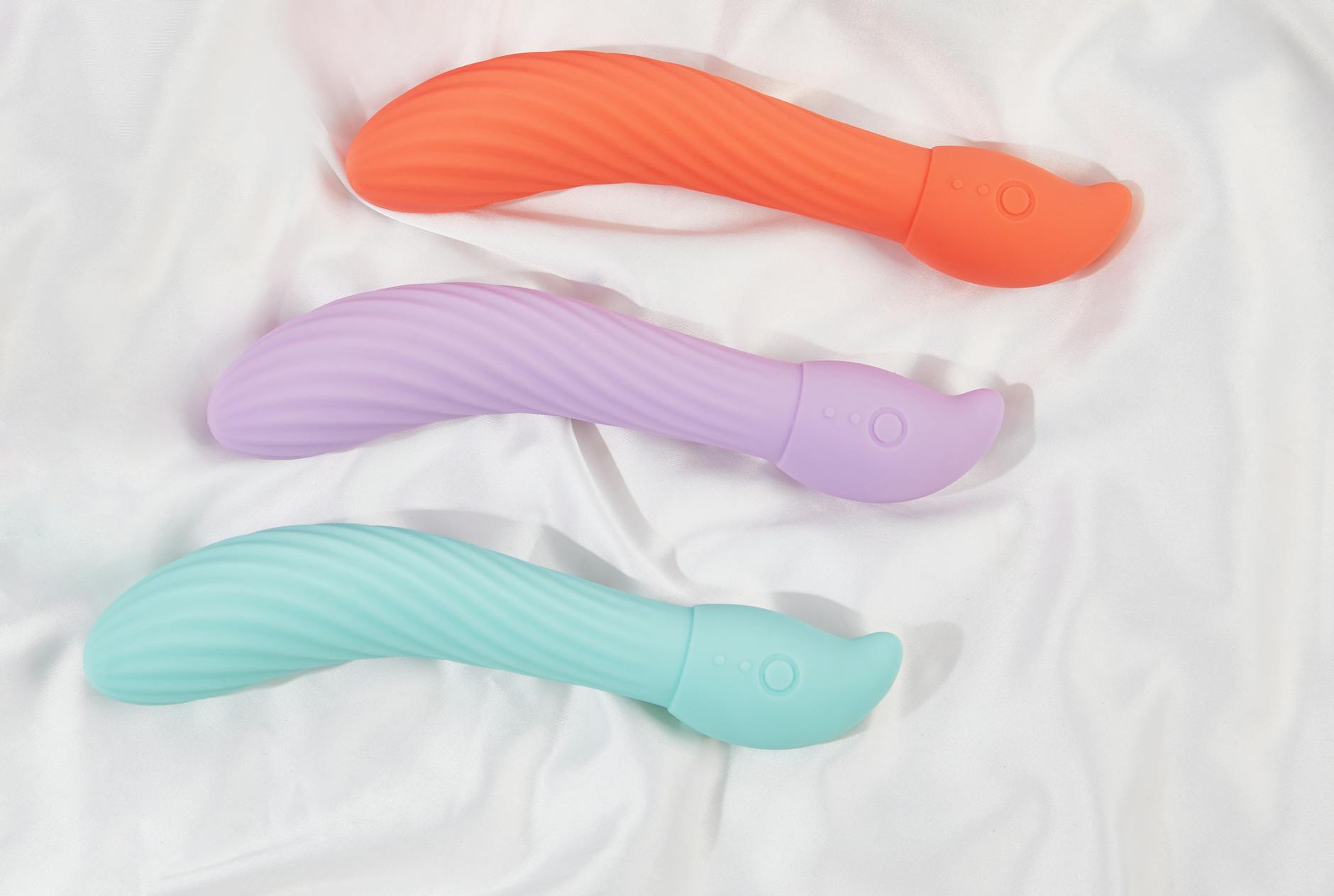
Most couples experience at least one stretch where sex just stops happening. Maybe work devoured six months. Maybe you had kids. Maybe grief, health stuff, or the slow creep of resentment created distance that felt impossible to cross. Then one day you look at each other and realize you haven't touched in a way that mattered for longer than you want to admit.
Restarting isn't about forcing things back to how they were. It's about creating a new entry point. That's where lemon vibrators come in. They're not a magic fix. They're a permission slip.
Here's what I see in my practice: couples don't lose desire in one dramatic moment. They lose the habit of desire. Sex gets mentally reframed as something risky (if we try and it's awkward, that confirms we've broken something), something they should want (performance pressure disguised as spontaneity), or something that belongs to a version of the relationship that's gone.
Meanwhile, both people are waiting for the other to make the first move. Both are afraid of rejection. Both are wondering if their body still works the way it used to. Both are exhausted.
Introducing a clitoral vibrator into that equation actually de-risks the whole thing. You're not trying to recreate passion from memory. You're exploring something new together. That's a fundamentally different conversation.
There's something useful about an external object being the focus instead of performance or technique. A lemon vibrator gives both partners something concrete to pay attention to. It's not about him or her doing it right. It's about what the vibrator makes happen. That removes a ton of shame and expectation.
I also find that couples who've been disconnected often need permission to be playful again. Introducing a toy like a lemon clitoral vibrator gives you that permission. It's hard to feel pretentious or obligated when you're jointly figuring out what intensity setting actually works. Suddenly you're collaborating instead of performing.
Don't ambush. Don't make it a big dramatic gesture. Don't frame it as a solution to a problem ("our sex life"). Instead, frame it as curiosity.
"I've been thinking about trying something that might be fun. What would you think about exploring lemon vibrators together? No pressure if that doesn't appeal to you."
If your partner says no, that's real data. But if they ask questions, answer them honestly. Explain that you're interested in finding a way to reconnect that doesn't feel loaded or scary. Explain that a lemon sexual toy removes some of the performance pressure. Most partners, when they understand it's not a rejection of them, are at least willing to try.
The key is framing this as something you want to do together, not something to fix the other person.
Don't overthink the environment. You don't need candles or rose petals. You need privacy, time where you're not both running on fumes, and no phone.
When you're actually in the room:
Start with conversation. Talk about what you're both curious about. What settings seem interesting? What would feel good? Who wants to explore first? This sounds awkward, but it's the opposite. You're dividing the labor of thinking so you can both actually be present.
Let pleasure lead. If a lemon vibrator feels amazing, say so. If it's too intense, say that too. The whole point is information. Your partner learning what makes your body respond is intimacy. It's also incredibly useful data for everything that comes next.
Touch outside the vibrator experience. While one person is exploring, the other can be kissing them, stroking their hair, holding them. The vibrator isn't a replacement for touch. It's an addition to it. This is where connection actually happens.
Don't aim for orgasm. I know this sounds counterintuitive, but goal-oriented sex is exactly what got you stuck in the first place. If an orgasm happens, great. If you're both just present and feeling good, that's the win.
This matters more than people think. When you're done, don't just roll over and disappear. Talk about what you noticed. What felt different? What surprised you? What do you want to try next time?
These conversations are where real reconnection happens. They're also less loaded than "do you still love me" because they're rooted in something tangible. You've just shared something that felt good. You experienced pleasure together. That's a foundation.
Most couples ask me some version of: "What if this works and then we still can't have normal sex?" That's fair. But here's the thing. If lemon vibrators help you remember what pleasure feels like together, that's already huge progress. It doesn't have to be all or nothing. You can use a clitoral vibrator some times and not others. You can build from there.
Another one: "What if they think I'm asking for this because I'm not attracted to them anymore?" This is why the conversation before matters. You're not saying "I need a toy because you're not enough." You're saying "I want to explore this with you because I want us to feel good together again."
A lemon vibrator is precise without being intimidating. The sensation is intense but localized. It doesn't require internal penetration, which can feel vulnerable when you're already emotionally fragile. Most lemon adult toys also have multiple settings, so there's built-in exploration and novelty. You're not doing the same thing twice.
There's also something about the design. Lemon clitoral vibrators are sleek and modern without being clinical. They don't feel like medical equipment. They feel intentional and pleasurable, which is exactly the message you want to send right now.
I want to be clear: a lemon sexual toy is not going to fix a relationship that has other serious problems. If you're not talking about anything real, if there's ongoing betrayal or contempt, introducing a vibrator just adds another awkward thing. You might need actual couples therapy first.
But if you're stuck because you've lost the habit of touching, because you're both afraid of failing, because connection feels too risky to attempt alone, a lemon vibrator can genuinely help you find your way back. It gives you permission to be vulnerable in a lower-stakes way. It reminds both of you that pleasure is still possible.
Using clitoral vibrators together isn't about replacing anything or admitting defeat. It's about being willing to evolve. It's about saying "I know how we used to do this, but maybe we can find a way that works for who we are now."
That's true intimacy. Not performing based on memory. Not waiting for someone else to fix it. Not pretending nothing's changed. It's showing up together and being willing to explore.
Listen to how they talk about sex and pleasure when it comes up naturally in conversation. Do they seem curious or dismissive? Do they joke about it or shut down? Someone who's generally open to new experiences and comfortable talking about bodies will likely be more receptive. But honestly, the only way to know is to ask. Frame it as curiosity, not criticism. Most people are more open than you'd expect, especially if they also feel stuck.
That's temporary discomfort during the actual use, which almost everyone experiences the first time. That's not a sign it's wrong. It's a sign you're doing something new. The awkwardness usually evaporates once you both relax into it. If the awkwardness persists because of deeper relationship issues, that's different data. But in most cases, couples report feeling more connected, not less, after they get through that initial weirdness.
Absolutely. In fact, this is often better than if both people have experience. You're both on relatively equal footing. Start on a lower setting. Use lots of lube. Let the person with the vibrator control the pace. How to use a lemon clitoral vibrator for the first time has detailed technical guidance, but emotionally, just remember you're exploring together, not performing for an audience of one.
There's no magic frequency. Some couples use them several times a week when they're actively reconnecting. Others use them occasionally as part of their broader sexual routine. What matters is that you're touching and paying attention to each other regularly. A lemon vibrator can be part of that, but it's not the whole thing. Kissing, holding, talking, and plain old sex matter just as much.
Yes. People have different libidos and different comfort levels. One partner might be enthusiastic and one tentative. That's normal. The risk is if one person feels pressured to want something more than they do. The solution is talking about what you both actually want, not what you think you should want. Consent and genuine interest matter more than matching intensity.
Then you've gotten useful information: the issue isn't friction or stimulation. It's something deeper. That might be a sign that couples therapy could help. A professional relationship coach can help you figure out what's actually creating distance. Toys are useful tools, but they're not a substitute for addressing fundamental disconnection.
Rebuilding physical intimacy after a long pause isn't about recreating what you had. It's about creating something that works for who you are now. That might include lemon vibrators. It definitely includes honesty, patience, and a willingness to explore together. Start there, and the rest usually follows.