How to Use Lemon Vibrators for Better Orgasms After Childbirth
Your body changed. Your pleasure can too. A therapist on when sex is safe again, why sensation feels different, and how lemon clitoral vibrators rebuild orgasm after birth.
Your body just did something extraordinary. It also just went through trauma, whether the birth was vaginal or surgical. And somewhere in the gap between "congratulations, it's a baby" and "when can we have sex again," pleasure gets forgotten entirely.
Let me be direct: postpartum orgasms feel different. Not worse, not better necessarily. Different. Your nerve endings have been stretched or cut, your hormones are in freefall, your pelvic floor is either recovering from pushing or healing from surgery, and you're probably exhausted. That's not a sexy setup. But it's also not permanent.
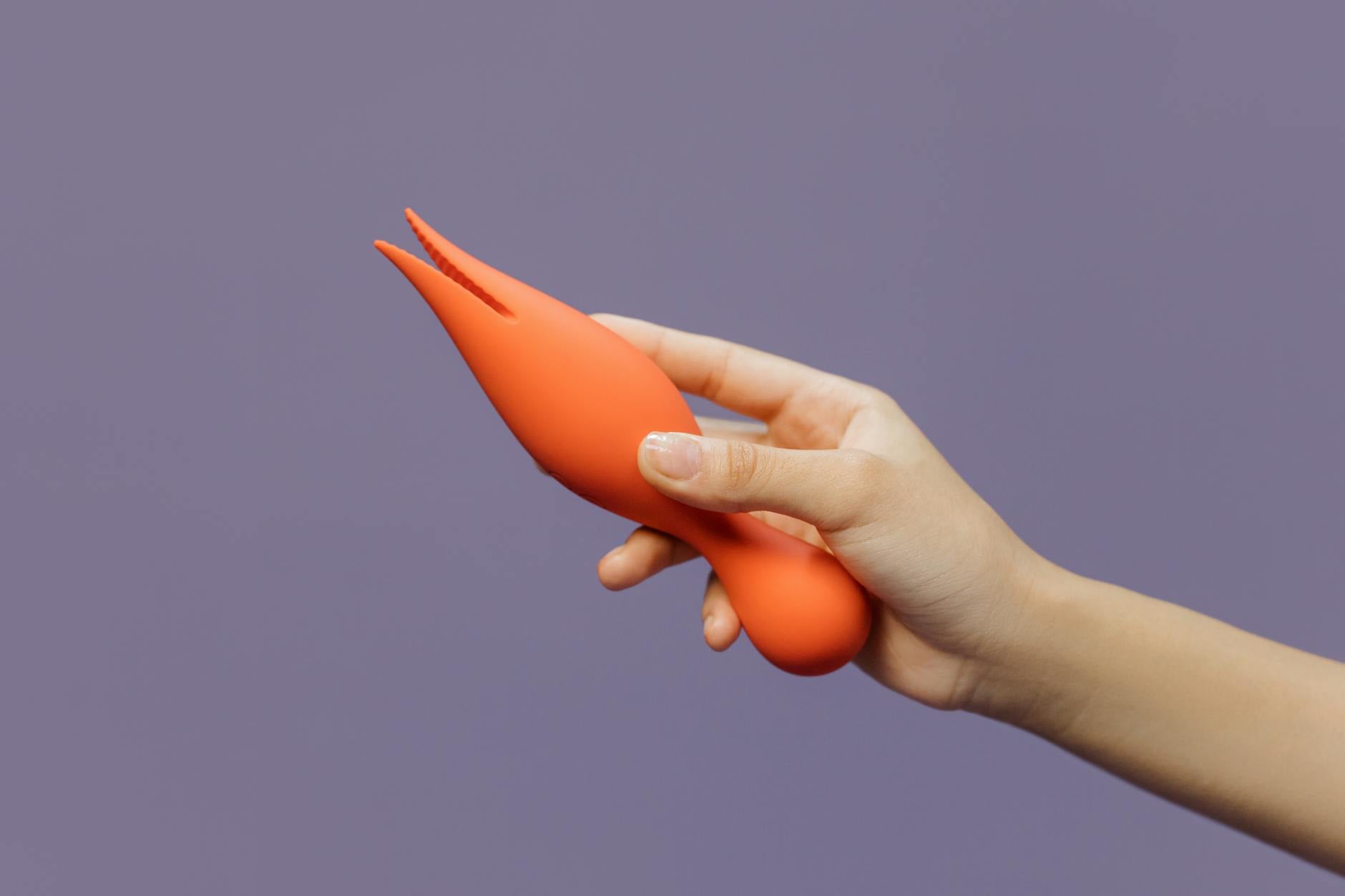
Here's what I've seen work for hundreds of clients trying to rebuild pleasure after birth. Lemon clitoral vibrators, specifically those designed for external stimulation like Hello Nancy's lemon vibrator collection, often become the bridge back to sensation because they're gentle, controllable, and don't require the internal pressure your healing body doesn't need yet.
If you gave birth vaginally, your pelvic floor stretched significantly. If you had a caesarean, the muscles weren't stretched as much, but the hormonal shift is identical. Either way, the tissues that control orgasm, arousal, and sensation have been altered.
Estrogen plummets after birth. If you're breastfeeding, it stays low for months. Low estrogen means thinner vaginal tissue, less natural lubrication, and reduced blood flow to the clitoris. Sensation flattens. What used to feel like a light touch might now feel like nothing. What used to feel gentle might feel too intense.
Your pelvic floor also gets tired. It's been working overtime for nine months carrying extra weight, then it either pushed a human out or got cut open. Recovery isn't instant. Most healthcare providers clear people for penetrative sex at six weeks postpartum, but that's about bleeding stopping, not about actual healing or readiness for pleasure.
Here's what matters: the clitoris itself isn't damaged by childbirth. The nerves are still there. But accessing sensation requires a different approach than it did before.
Let me separate two things. Medical clearance for sex is one conversation. Actual readiness for pleasure is another.
Most OBs and midwives give the green light at six weeks postpartum, assuming no complications. That's the minimum. I generally recommend waiting until at least eight to twelve weeks before attempting anything involving the pelvic floor, and that timeline extends if you had a tear, episiotomy, or caesarean delivery.
But external clitoral stimulation is different. If you're comfortable, if you're not actively bleeding, and if your pain levels are manageable, light external exploration with a lemon vibrator can start earlier than penetrative sex. I've had clients who felt ready at five or six weeks postpartum to use external vibration while their partner was away, just to remember what sensation felt like. That's not wrong.
The key is listening to your actual body, not a calendar. Pain means stop. Numbness is normal. Heaviness or pressure means your pelvic floor needs more rest.
First, lemon clitoral vibrators are external only. You're not pushing anything into a body that's still healing. Air-suction technology, like what you get with the Lem vibrator and similar designs, stimulates the clitoral complex through gentle suction rather than direct friction or penetration. For postpartum bodies, this matters. Your vulva is sensitive. Your tissues are still reorganizing. A tool that works without invasive pressure is less likely to trigger pain, swelling, or discomfort.
Second, intensity is adjustable and gradual. Most lemon sexual toys have multiple settings. You start on pattern one. Your numbed postpartum clitoris needs time to wake up. Light, steady stimulation rebuilds sensation slowly. That's not frustrating. That's actually how your nervous system heals.
Third, they're easy to control. A partner can't accidentally push too hard. You can pause instantly if something doesn't feel right. For someone whose body has just been poked, prodded, and monitored for nine months, that autonomy is healing in itself.
Start alone. This isn't about performance or partnership yet. It's about you remembering what your body can do.
Give yourself permission to feel nothing at first. Your clitoris might not respond the way it used to. That's temporary. Don't treat it like failure. Sit with it for a few sessions. Just presence, no pressure for a result.
When you're ready to introduce a lemon vibrator, start with the lowest setting. If you've got a Lem vibrator or similar device, begin on the gentlest pattern. Spend five to ten minutes just feeling where sensation exists. You might notice the left side feels more alive than the right. The outer edges respond before the inner bud. That's useful information.
Use lubricant even if you think you don't need it. Your postpartum body produces less natural lubrication. Water-based lube makes everything more comfortable and helps the vibration transmit more effectively to your tissues.
Allow sessions to be short. Postpartum bodies tire fast. Ten to fifteen minutes is plenty. You're not trying to have an orgasm yet. You're rebuilding the neural pathway between stimulation and pleasure.
Orgasms come back, but not on your old timeline. Most clients report that their first postpartum orgasm, when it arrives, feels different. Less intense maybe. Shorter. But also sometimes more surprising because they'd written it off. Don't chase that outcome. The path matters more than the destination.
Honestly though, this is where things get complicated. You're exhausted. Your partner might be nervous about hurting you. There's a baby screaming in the next room. Sex doesn't feel like a priority because it isn't.
But rebuilding sexual connection matters for partnership. Not because you owe anyone your body. Because feeling seen and desired is restorative after months of being a vessel.
Start with conversation. Not during attempted sex. Talk about what changed. Your partner needs to understand that postpartum clitoral sensation is genuinely flattened, and that doesn't mean you're broken. It means you need different input for the same result.
Then integrate. If you've been exploring your own pleasure with a lemon clitoral vibrator, show your partner. Demonstrate what feels good. Let them hold it sometimes. This removes the pressure for them to "do it right" because you're literally showing them what works.
If you had significant tearing or complications, consider working with a pelvic floor physical therapist alongside this. They can assess healing and give you specific clearance for different types of touch.
Pain during stimulation is not normal and shouldn't be pushed through. Check in with your healthcare provider. Postpartum vulvodynia or pelvic floor dysfunction is real and treatable. A lemon vibrator isn't the solution if pain is present. Healing is.
Numbing that doesn't improve after three months of exploration warrants a pelvic floor PT evaluation. Sometimes nerve damage from delivery takes longer to resolve, and sometimes you need specific rehabilitation.
Loss of desire that extends beyond the fourth trimester might signal postpartum depression. Pleasure is one symptom. Talk to your doctor. Therapy helps. A vibrator doesn't fix hormonal depression, though reconnecting with your body as part of treatment can help.
Partner mismatch on timing is common and solvable. One person ready at four months, the other at nine months. Neither is wrong. Solo pleasure with a Hello Nancy lemon vibrator bridges that gap without pressure or resentment.
I work with couples rebuilding intimacy after birth all the time. The ones who navigate postpartum pleasure intentionally stay connected. The ones who wait for "normal" to return and then try to flip a switch struggle.
Your body is different now. That's not sad. That's information. Exploring it with curiosity instead of expectation changes everything. Lemon vibrators, with their gentle external design and adjustable intensity, make that exploration feel less clinical and more playful.
Your pleasure matters. Not as a performance. Not as a duty. As a way of knowing you're still you beneath the exhaustion and the new responsibility.
How long after vaginal birth can I use a vibrator?
If there's no pain and you're not actively bleeding, external clitoral vibration can start as early as four to six weeks postpartum. Penetrative use should wait eight to twelve weeks minimum. Listen to your body over any timeline. Pain is a stop signal.
Do lemon clitoral vibrators feel different postpartum?
Yes. Your tissue is thinner, sensation is muted, and intensity tolerance might be lower. Start with the gentlest settings and gradually increase. What felt right before birth might feel too strong now. That changes over months as hormone levels stabilize.
Is it normal to not have orgasms for months after childbirth?
Completely normal. Hormonal shifts, sleep deprivation, pelvic floor changes, and the mental load of new parenthood all suppress sexual response. Most people regain orgasmic capacity by six to nine months postpartum, though some take longer. There's no timeline.
Can I use a lemon vibrator after a caesarean section?
Yes. External clitoral stimulation is safer after a caesarean than after vaginal birth because your pelvic floor wasn't stretched. You may actually feel ready sooner. The incision is unrelated to clitoral sensation.
What if my partner is nervous about using a vibrator postpartum?
Talk about it outside the bedroom. Explain that it's about rebuilding sensation, not replacing them. Using it together during foreplay can ease nervousness. Some partners enjoy holding it. Others prefer to watch. There's no one way.
When do postpartum orgasms feel "normal" again?
Usually around nine to twelve months postpartum, or when breastfeeding stops and estrogen rises. Some people report it takes longer. Some report that postpartum orgasms feel better than before. Expectations shift. Patience helps.
Postpartum pleasure isn't about rushing back to what was. It's about meeting your changed body with curiosity instead of frustration. Lemon vibrators, especially external designs from Hello Nancy that prioritize gentle, controllable stimulation, make that exploration feel less clinical and more like rediscovery.
Your body did something hard. It deserves gentle exploration as it heals. That exploration, done on your timeline with tools designed for postpartum realities, is how pleasure comes home.