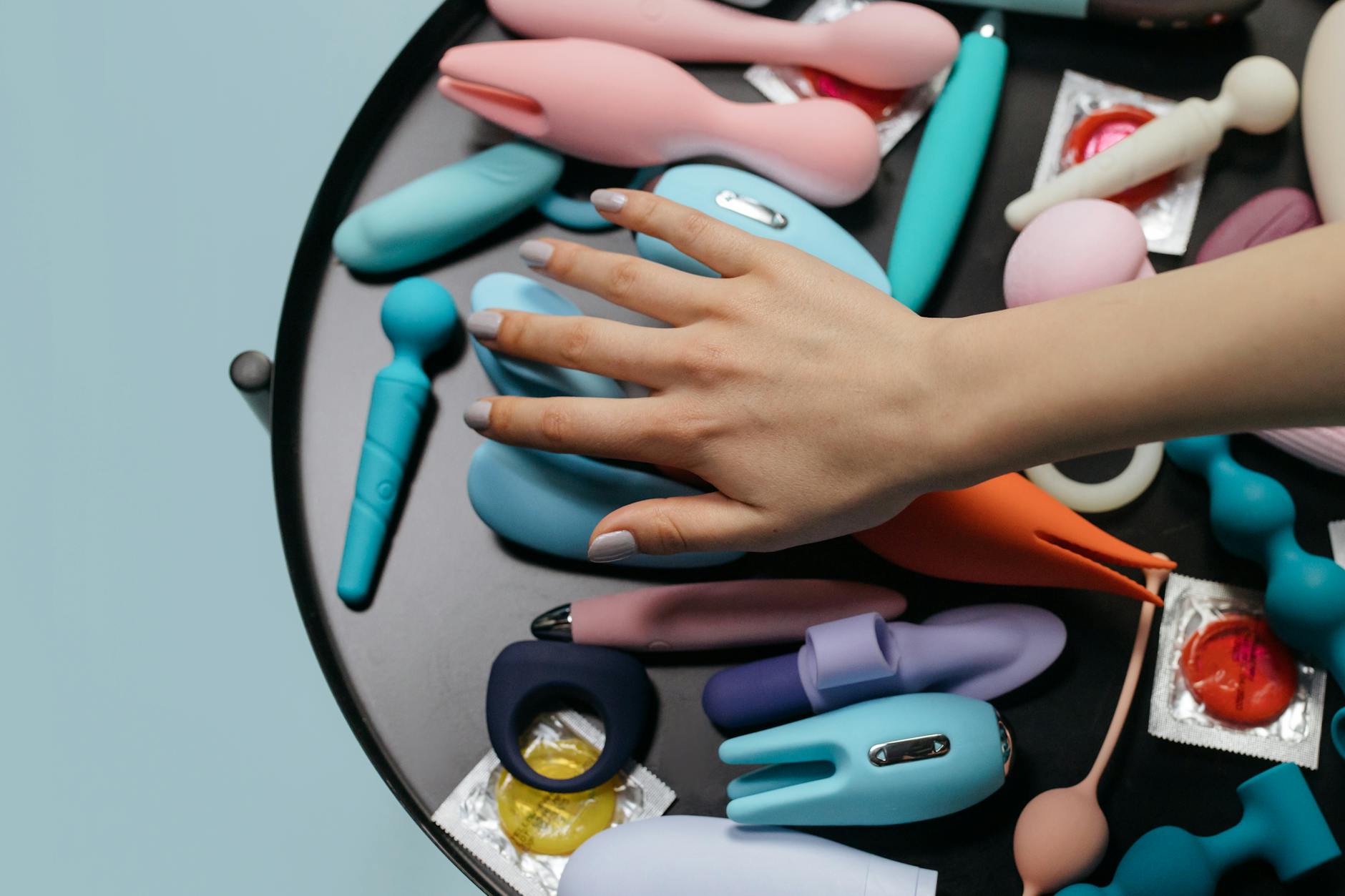
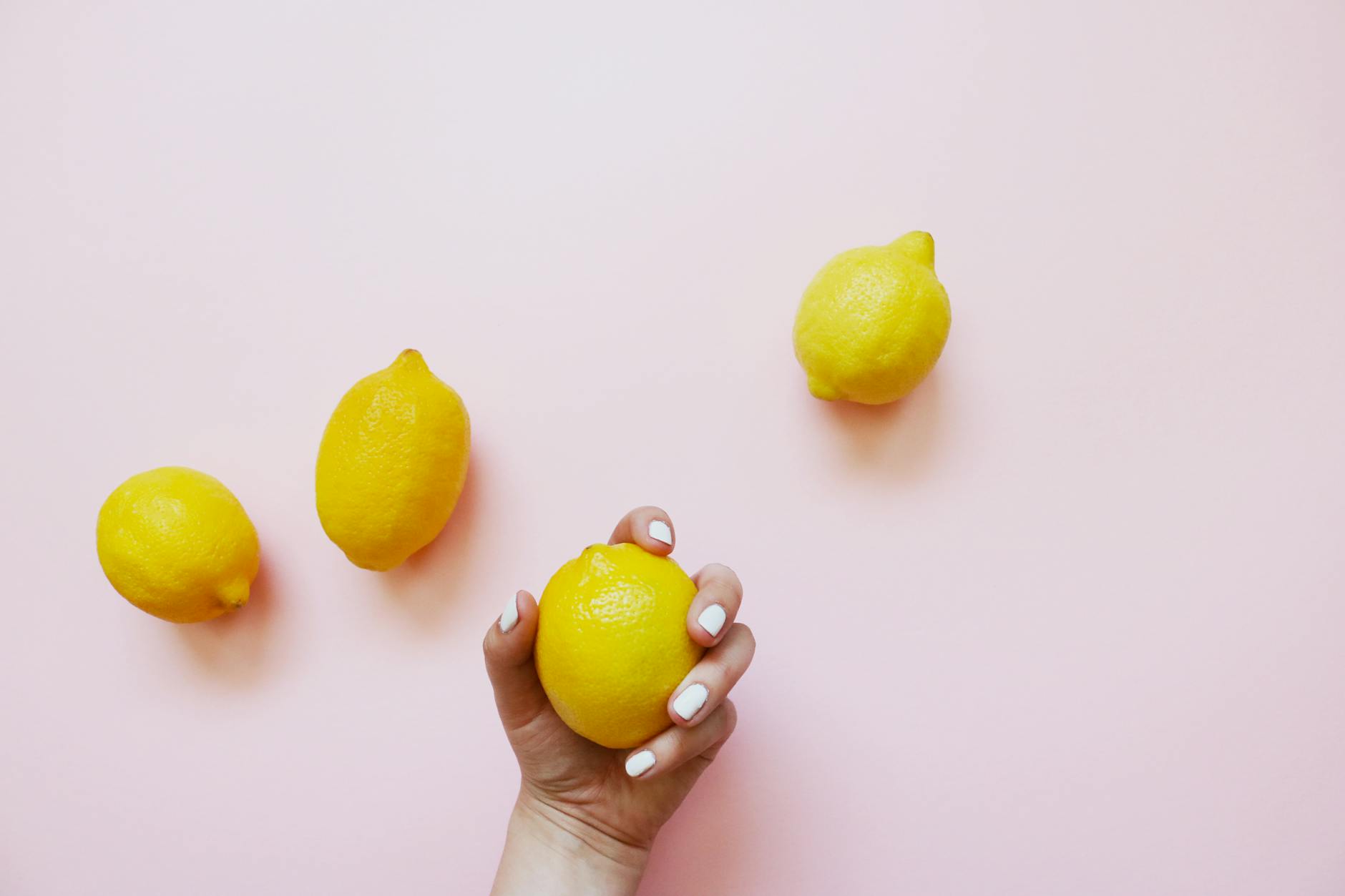
Vaginal atrophy sounds clinical, but it's just what happens when estrogen drops. Tissue gets thinner. Lubrication decreases. The vaginal opening narrows slightly. And sensation changes. Not in a "gone forever" way, but in a way that means your old technique stops working the way it used to.
Here's the thing no one tells you: this is one of the most fixable pleasure problems out there. It's not about accepting less. It's about pivoting to what works now.
Most traditional vibrators rely on broad, consistent vibration across a wider surface area. When tissue is thinner and more sensitive to direct pressure, that can feel overwhelming, numbing, or even uncomfortable. You end up chasing sensation instead of finding it.
Lemon clitoral vibrators work differently. They use suction and pulsing patterns that stimulate without the same mechanical pressure. Think of it like this: instead of hammering on a door, you're gently pulling it open from the inside. The clitoral nerve endings respond better to that kind of stimulus when the surrounding tissue is less robust.
Here's the physiology: the clitoris has roughly 8,000 nerve endings, and most of them are concentrated in the head and corona (that ridge around the base). Suction stimulates those nerves without grinding friction against delicate tissue.
When you're dealing with atrophy, your tissue is:
Thinner and more prone to micro-tears
More sensitive to direct pressure
Slower to produce natural lubrication
Shorter on blood flow, so arousal takes longer to build
A lemon sucker works within all of those constraints. The suction creates a pressure gradient that pulls blood into the clitoral tissue while stimulating the nerve-rich area. No grinding. No friction burn. Just steady, building sensation.
If you've just discovered you have atrophy, begin with the lowest intensity pattern. If you're switching from a standard vibrator to a lemon clitoral vibrator, resist the urge to jump to the settings you used before. Your tissue has changed. Your starting point changes with it.
Most lemon vibrators have 5-10 intensity levels and multiple patterns. Start at level 1 or 2. Spend 5-10 minutes there. You're retraining your body to find pleasure in gentler stimulus, which often leads to more intense sensation overall because you're not numb or irritated.
The pulsing patterns (rather than constant vibration) tend to work better than steady hum. Pulsing patterns mimic the natural rhythm of arousal and allow your nervous system to build sensation layer by layer instead of trying to reach a ceiling that's too high.
I know people resist this because it feels like admitting something broke. But lube is strategy, not surrender. When tissue is atrophying, natural lubrication either doesn't happen fast enough or isn't copious enough to protect delicate tissue during extended play.
Use water-based lubricant. Silicone lubes feel luxurious but can degrade silicone toys. Apply generously around the clitoral area and the toy itself before you start. Reapply every 10-15 minutes during longer sessions. This does two things: it protects your tissue and it makes the sensation smoother and more pleasurable.
Some people find that applying lube first and then using the toy actually brings sensation forward because there's less friction competing for attention.
When estrogen is low, arousal takes longer to build. Your body needs 15-25 minutes of foreplay or self-touch before the clitoral tissue is engorged enough to respond well. This isn't dysfunction. It's just the timeline now.
I recommend starting your session by touching yourself manually for 10-15 minutes before introducing the toy. This does three things. One, it wakes up the nerve endings. Two, it gives your body time to produce whatever natural lubrication it's going to. Three, it puts you in a mental state where you're already connected to your body before the toy enters the picture.
Then introduce the lemon vibrator. By that point, your tissue is more plump, more sensitive, and ready to respond.
Sharp pain, burning, or stinging means stop. This is the most important boundary. Many people with atrophy convince themselves they need to push through discomfort. You don't.
Pain usually signals one of three things: not enough lube, too much intensity too fast, or genitourinary syndrome (GSM) that needs medical attention. A brief conversation with your doctor about topical estrogen cream can change everything. These creams have minimal systemic absorption and work surprisingly fast. Many people see improvement in two to four weeks.
If you're using lube and starting at low intensity and pain is still present, get evaluated. You're not broken, but you may benefit from professional support.
If you're navigating this with a partner, the conversation is crucial. "My body is responding differently" is different from "I'm not attracted to you anymore." Make that distinction clear.
Many partners interpret slower arousal or need for lube as rejection. It's the opposite. It's you advocating for what works now. Invite your partner to learn the new map of your body with you. Some couples find that using a lemon vibrator together is actually more intimate than what came before because it requires communication and presence.
If you're using a toy solo, there's nothing your partner needs to understand except that you're taking care of yourself. Full stop.
Atrophy often arrives alongside other midlife shifts. Relationship changes. Body image changes. Career pressure. Grief. The tendency is to blame everything on hormones. Sometimes that's accurate. Usually it's more complex.
I've worked with countless people who thought their pleasure was gone and discovered it was actually buried under stress, resentment, or disconnection from their own body. A lemon clitoral vibrator can help you reconnect, but it's most powerful when paired with a mindset shift: your pleasure matters. Your body deserves attention. This is not a problem to solve quickly. It's an invitation to explore.
Take your time. Use the toy without a goal in mind beyond sensation. Let your body surprise you.
Absolutely. Lemon clitoral vibrators are actually ideal for atrophy because they stimulate without the heavy friction of traditional vibrators. The suction mechanism works well on thinner, more sensitive tissue. Start low and use plenty of lube.
Some people feel a shift in their first session. Most notice real change within 2-4 weeks of consistent use. The clitoris responds quickly to stimulation once you find the right intensity. That said, mental relaxation and stress reduction often matter as much as the tool itself.
Yes, but only after discussing treatment with your doctor. If you have GSM with pain, topical estrogen cream is a game-changer and works fast. Once pain is managed, a lemon vibrator is a fantastic way to restore sensation and pleasure. Lube is still essential.
Completely normal. Your nervous system has to relearn how to interpret sensation at lower intensities. It's like tuning an instrument. Within a few sessions, you'll notice sensation becoming sharper and more defined. Patience here pays off.
Not if you use it correctly. Pain means stop. But appropriate stimulation with lube and low intensity actually encourages blood flow to the tissue, which can improve lubrication and elasticity over time. The key is gentle consistency, not intensity.
I recommend 2-3 times per week as a starting point. This gives your body regular gentle stimulation without overdoing it. Some people find that consistent use helps their body maintain natural lubrication and tissue responsiveness better than sporadic sessions.
Vaginal atrophy is real. It changes how your body responds to pleasure. But it doesn't end pleasure. It redirects it. A lemon clitoral vibrator, paired with patience and the right approach, often restores sensation more effectively than pushing harder with what used to work.
Your body isn't broken. It's asking for a different conversation. Listen to it. You deserve pleasure that fits your body as it is now, not as it was before.
If you have questions about what approach might work for your body, reach out. We're here to help.