How to Use Lemon Vibrators When Breastfeeding or Postpartum
Your body has done something extraordinary. Now it feels like someone else's. Here's what changes after birth, why lemon clitoral vibrators matter, and how to start rebuilding pleasure on your own terms.
After birth, your body is not your own. For months, it belongs to your baby. Then somewhere between the fourth trimester and the one-year mark, you start wondering if you'll ever want to touch yourself again. Most people assume this is normal, temporary, nothing to worry about. Sometimes it is. Sometimes it's worth examining more carefully.
Reclaiming pleasure postpartum isn't straightforward. Your hormones are in freefall. Your pelvic floor might feel numb or hypersensitive. If you're breastfeeding, your breasts may feel off-limits to yourself, owned by someone else's needs. Your partner might want reconnection before you're ready. And your body—the one you lived in for decades—feels like it's been borrowed, used, and returned slightly damaged.
Here's what I want you to know: pleasure is recoverable. It looks different postpartum. But different doesn't mean diminished. Lemon vibrators, specifically their gentle suction technology, work remarkably well for rebuilding sensation when your pelvic tissues are in flux.
The immediate postpartum period is not the time to use any vibrator. You need six to eight weeks minimum—longer if you had a tear or surgical delivery. But after clearance from your healthcare provider, understanding what's shifted helps you know what to expect from your body.
If you gave birth vaginally, the tissues are thinner, more fragile, and sometimes numb from the stretching and tearing. If you had a cesarean, you're dealing with abdominal scar tissue that can trigger phantom sensations. Either way, estrogen is plummeting, especially if you're breastfeeding. Low estrogen means less lubrication, thinner vaginal tissue, and a clitoris that may feel almost unrecognizable.
Your pelvic floor is simultaneously weak and tight. It's weak because it's been stretched or cut. It's tight because you're holding tension from fear, exhaustion, or the simple fact that something catastrophic happened to your body and it's protecting itself. This paradox—weak and clenched at the same time—is why typical vibrators often feel wrong. They ask for something your pelvic floor isn't ready to give.
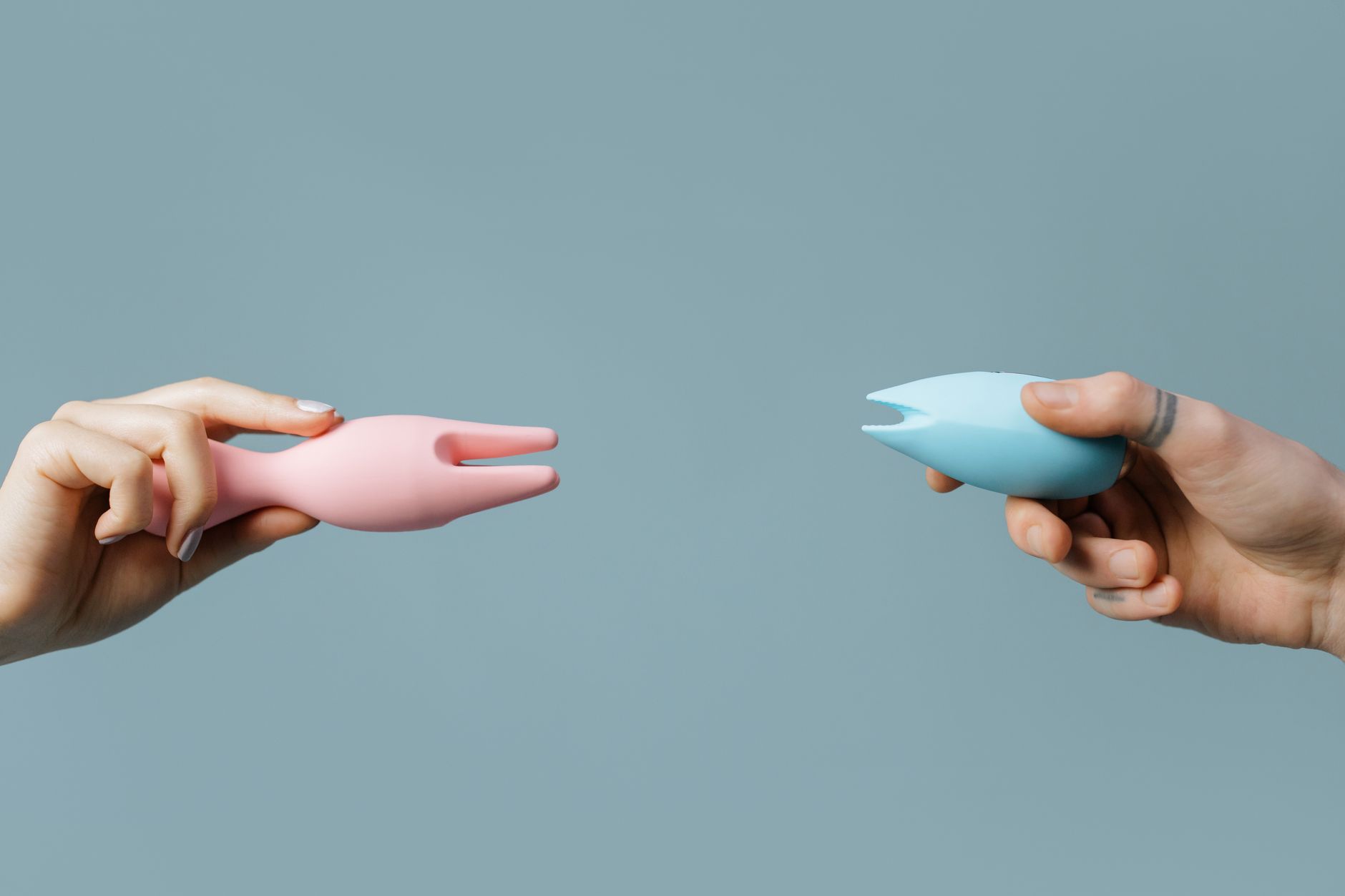
Lemon clitoral vibrators use suction rather than vibration alone. This matters profoundly after birth. Suction stimulates nerves without friction, which means you get sensation without the intensity that can trigger pelvic floor guarding or feel painful on delicate tissue. It's like the difference between someone tapping your shoulder and someone gently drawing you toward them. Both get your attention. Only one feels invasive when you're already touched out.
The lem vibrator also has a gentler entry point. You're not inserting anything. Your clitoris is external. This eliminates the anxiety that comes with internal sensation postpartum—the fear that something might hurt, that stitches might tear again, that something is still broken inside. You control the entire experience with zero intrusion.
Second, suction wakes up nerve endings that may have gone dormant during late pregnancy and birth. Your clitoris didn't disappear, but the sensation did. Gentle, consistent suction—especially at lower intensity settings—reintroduces your body to itself without overwhelm.
Weeks one through six are about healing, not pleasure. Let that go. Your job is rest.
Weeks seven through twelve: you've been cleared by your provider. This is when you might start noticing curiosity again, or when you realize you feel completely numb. Both are normal. If curiosity shows up, this is the window to explore touch—but slowly. Solo touch, no pressure. This might mean touching yourself without any vibrator. Learning what feels okay, what feels too much, what feels right.
Months four through six: by now, some estrogen is back (especially if breastfeeding is winding down). Your pelvic floor has had real recovery time. This is often when lemon vibrators make the most sense. Your body is ready for stimulation again, and you're looking to remember what pleasure feels like.
Months six onward: you've been given back to yourself. Pleasure builds from here, though it may still look different than it did before birth. That's information, not failure.
Start with the absolute lowest intensity setting—patterns one or two on The Lemon. Your nervous system is still recalibrating. Too much sensation will shut you down faster than anything else.
Set aside twenty minutes when you have zero responsibility. No baby monitor anxiety. No listening for sounds. This is hard postpartum, which is why many people find this step impossible and skip to the other sections. If that's you, I understand. But if there's a way to carve out even a short window—a partner watching the baby, a nap time you protect fiercely—that's the foundation for reconnection.
Use a water-based lubricant. Postpartum vaginal tissue is dry. Lubricant isn't a failure; it's a tool. Most people need it for months.
Warm your body first. A warm shower, gentle touching, reading something that makes you feel like yourself instead of just like a milk machine. You need nervous system calm before you can access pleasure.
Approach your clitoris from the side rather than directly on top. Direct suction can feel too intense when sensitivity is rebuilding. Angle the lem vibrator to create gentle suction alongside rather than directly on the head of your clitoris. This gives sensation without overwhelm.
Pause whenever you need to. If your pelvic floor suddenly tightens, if you feel dissociated, if you remember that your body just went through something traumatic—pause. This is not a goal to achieve. This is data about where your nervous system is right now.
Postpartum, pleasure is tangled up with resentment, exhaustion, touch aversion, and sometimes grief over the body you lost. You may feel guilty wanting pleasure when your baby needs you. You may feel angry that your partner wants to have sex when you feel like a feeding machine. You may feel disconnected from your clitoris specifically—it's one more part of you that doesn't belong to you anymore.
Lemon vibrators are a tool for reclaiming something that got borrowed. Using one isn't selfish. It's the first step in reminding your brain and nervous system that you exist separately from your role as a parent.
If you have a partner, the conversation about pleasure might sound like: "I'm not ready for sex with you yet, but I'm starting to want to feel like myself again. I need space to explore that alone first." Separate the two conversations. Rebuilding your own pleasure is not the same as rebuilding couple intimacy, and mixing them creates resentment on both sides.
If you're experiencing postpartum depression or anxiety, touch often feels impossible or triggering. Lemon vibrators won't fix that. Talk to your provider. Depression is not something you pleasure your way out of, and trying to can actually make things worse.
If penetration feels painful beyond the normal sensitivity—if it feels sharp or severe—get checked for scar tissue complications or pelvic floor dysfunction. Both are treatable, but they need professional help, not a vibrator.
If you're experiencing touch aversion so complete that even thinking about sensation makes you angry or nauseous, that's information that your nervous system needs more recovery time or professional support, possibly both.
Lemon vibrators work beautifully for postpartum pleasure rebuilding. But they work within a bigger context of nervous system healing, relationship recalibration, and self-compassion. All three matter.
Yes. There's no medical reason breastfeeding prevents vibrator use. The concern people usually have is more emotional—many people feel their breasts belong to the baby and don't want additional stimulation there. That's completely valid. Focus stimulation on your clitoris instead, which doesn't have a utilitarian role postpartum. You can also explore whether your breasts ever feel good to you again, on your own timeline, without pressure.
Wait for medical clearance, typically six to eight weeks postpartum. If you had a tear, episiotomy, or cesarean, ask your provider specifically about external stimulation. Most will clear you sooner for clitoral work than internal sensation because there's zero intrusion. But get the okay before starting.
Numbness is extremely common. Postpartum hormones, pelvic floor tension, and nervous system dysregulation all contribute. Numbness usually resolves over months, especially with gentle, patient exploration. A lemon vibrator at low intensity can help wake up sensation—the suction provides input without overwhelm. If numbness persists beyond a year or feels concerning, mention it to your provider.
Not until the pain is addressed. Pain postpartum can indicate scar tissue, infection, pelvic floor dysfunction, or other complications. Get evaluated first. Once cleared, starting with solo lemon vibrator use—external only, no pressure—can help rebuild confidence and sensation. But don't use any vibrator as a workaround for pain that needs medical attention.
Direct honesty: "My body has been used for nine months and then borrowed completely by our baby. I need time to feel like it belongs to me again before I share it with you." Some partners understand immediately. Some need help understanding that postpartum touch aversion isn't about them—it's about nervous system recovery. If your partner consistently pressures you into sex you don't want, that's a relationship issue bigger than postpartum recovery, and it's worth talking through with a therapist together.
Almost certainly yes, but maybe not for a while. Desire postpartum is suppressed by hormones, exhaustion, and the simple fact that your body has become instrumental rather than pleasurable. Rebuilding desire takes time, usually months. It helps to rebuild your own pleasure first, separate from partner dynamics. That's where lemon vibrators come in. They're for you, not for performance or partnership. They're how you remember that sensation is still available to you.
Postpartum pleasure rebuilding isn't linear. Some weeks you'll feel curious. Some weeks you'll feel completely disconnected. Both are normal. The key is patience with yourself and recognition that your body didn't break—it transformed. You're learning how to live in it again.
Lemon clitoral vibrators help with that learning curve because they ask so little of your body while giving back so much sensation. Start low. Start alone. Start when you're ready, not before. Your pleasure matters. It's not selfish. It's essential.