You start a medication that works. Your anxiety drops, your blood pressure stabilizes, your allergies clear. And then your body goes quiet. Not broken. Quiet. The desire that used to arrive unbidden is now something you have to think very hard about. Your clitoris feels like it's behind a pane of frosted glass.
Antidepressants, particularly SSRIs like sertraline and paroxetine, are notorious for sexual side effects. They increase serotonin, which is great for mood but tanks dopamine and norepinephrine. Those two chemicals? They run the show when it comes to arousal, desire, and the mechanics of orgasm.
Beta-blockers lower blood pressure by calming your nervous system. Unfortunately, your nervous system is also running genital blood flow. Antihistamines dry out tissues (including the ones that are supposed to lubricate). Even some antipsychotics and mood stabilizers can flatten sensation or make orgasm feel distant.
Here's what gets missed in most conversations: the problem isn't your body. It's the mismatch between what your body is neurochemically capable of right now and what you expect from it. Once you stop fighting that mismatch, lemon clitoral vibrators become genuinely useful.
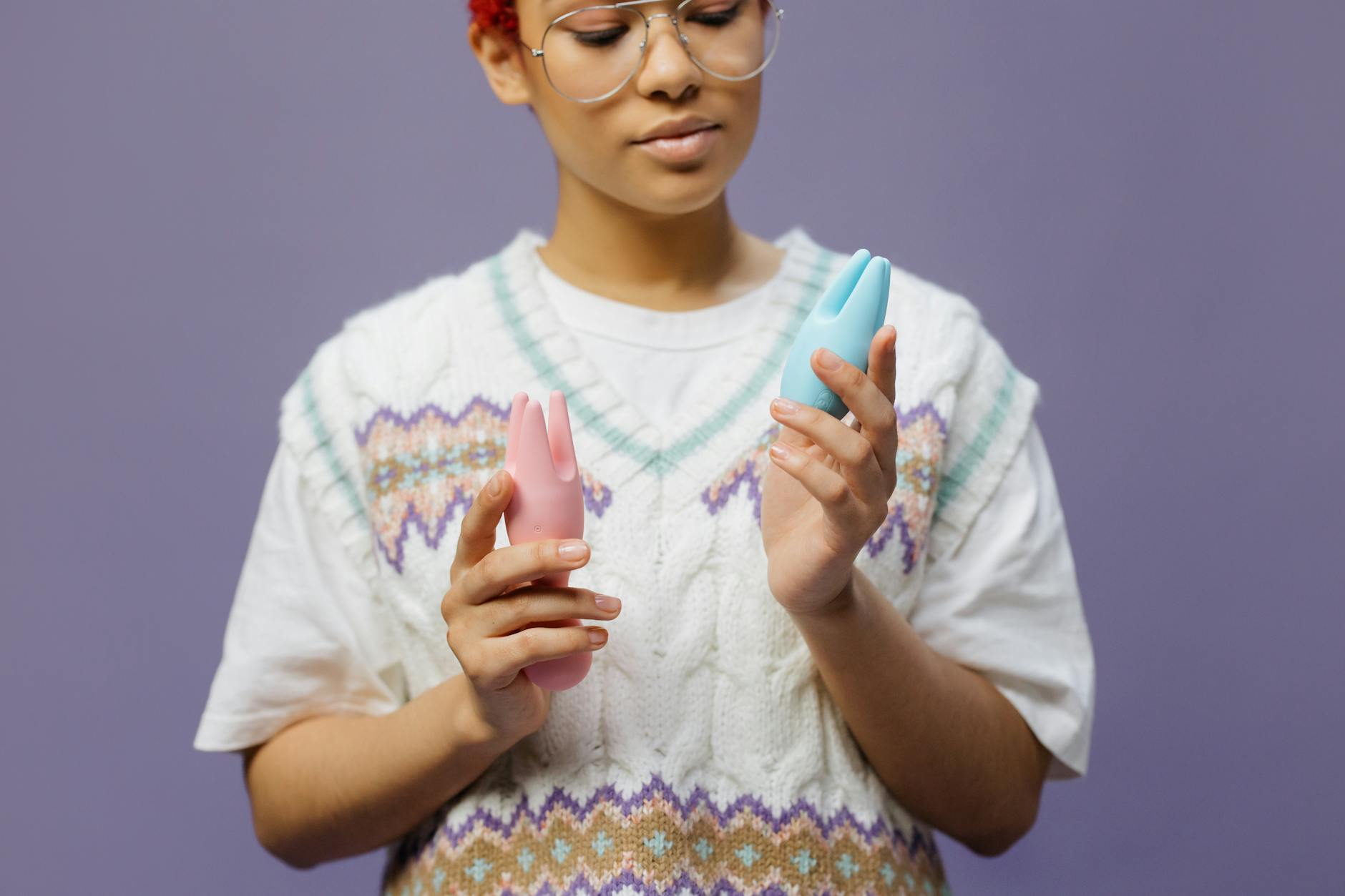
Air-suction stimulation uses rhythmic pressure rather than friction. That matters when medications have made your tissues less responsive to direct contact. A clitoral vibrator that relies on buzz alone might feel distant or dull. The Lem uses suction to create a different kind of stimulation.
Think of it like this: you're trying to wake up a sense that's been put to sleep. Suction stimulation activates nerves in a way that doesn't require the same level of baseline sensitivity. It's not gentler. It's smarter.
Medication doesn't erase your ability to have an orgasm. It changes the variables in the equation.
Normally: shorter warm-up time plus moderate intensity equals arousal and sensation. With medication: longer warm-up time plus tailored intensity (usually lower to start, then building) plus environmental support (lube, privacy, no performance pressure) equals the same outcome.
This is why so many people think they've lost sensation forever. They're using the old equation. The new one requires patience, but it works.
Start with what your psychiatrist, GP, or gynecologist has said about your specific medication. Some antidepressants (bupropion, for example) don't kill sexual function the way others do. If you're on something that's known for sexual side effects and it's a non-negotiable medication for your mental health, you have options.
First, don't stop taking the medication. That's between you and your prescriber, but sudden discontinuation can make things much worse.
Second, give yourself 20 to 30 minutes minimum to warm up. This isn't foreplay theater. This is genuine nervous system activation. Use your hands first. Read erotica. Listen to audio. Let your brain catch up to the idea before you bring in a tool.
Third, add lube. Not because something's wrong with you, but because medications often reduce natural lubrication. Water-based works with silicone toys. It matters more than you'd think.
Fourth, use a lemon clitoral vibrator starting at the lowest setting. Many people with medication-dampened sensation skip straight to high intensity because they can't feel anything on medium. That teaches your nervous system to only respond to loud input. Start soft and let your body remember what sensitivity feels like.
Medication-induced sexual side effects mess with your head almost as much as your body. You start to believe you're broken. You avoid intimacy because you're convinced you won't feel anything. Your partner wonders if something's wrong with them. The anxiety spirals.
Here's what I tell clients: you're not broken. Your neurotransmitters are in a temporary configuration that doesn't support sensation the way they used to. This is medical, not personal.
Give yourself permission to need different things right now. That might mean needing more time alone with a lemon vibrator before sex with a partner. It might mean using a vibrator during partnered sex instead of only using hands and bodies. It might mean being honest that tonight isn't the night, and that's okay.
Partners often feel rejected when the truth is pharmaceutical. If you can separate those two conversations, everything shifts. "My medication is affecting my arousal" is different from "I'm not attracted to you anymore." Both might be true, but they're separate problems with separate solutions.
Some medications can be tweaked. Taking your SSRI at night instead of morning sometimes helps. Adding a second medication to counteract sexual side effects is an actual clinical strategy. Switching to a different antidepressant entirely might be worth discussing.
The key is telling your prescriber. I know it's awkward. They've heard it before. A lot.
If switching medications is an option and appeals to you, discuss it. If staying on your current medication is what keeps you mentally stable, then you work with the cards you have. A lemon suction toy isn't a replacement for addressing root cause. But when the root cause is non-negotiable, it becomes part of your actual solution.
You didn't lose sensation overnight, and you won't get it back overnight. If you've been on medication for six months, expect it to take a few months of consistent, pressure-free exploration to feel what you used to feel.
Notice I said pressure-free. The moment you're doing this "for results," you're back in performance mode. Performance mode shuts down arousal. You're looking for sensation. Sensation is what happens when you're relaxed enough to feel it.
Use a lemon clitoral vibrator because it feels good right now, not because you're trying to prove something works. That distinction changes everything.
Your clitoris didn't forget how to feel. Your brain didn't forget how to respond. The neurotransmitters are just temporarily redirected. Once you stop fighting that and start working with it, the body remembers pretty quickly.
Most people I work with notice a shift within 4 to 6 weeks of consistent, low-pressure exploration with a tool that works better for medication-dampened sensation, like a lemon vibrator. The key word is consistent. Not obsessive. Not goal-oriented. Consistent.
Here's the nuance: sometimes what looks like medication-induced sexual side effects is actually depression or anxiety worsening, and the medication isn't doing what you need it to do.
If you've been patient, you've used better tools, you've given it time, and sensation still isn't returning, that's worth flagging with your psychiatrist. Not every medication works for every person. Not every dose is right. This isn't failure. It's information.
Meanwhile, whatever helps you feel alive in your body while you're sorting that out is worth exploring. A lemon vibrator isn't a band-aid. It's what you use while you're fixing the underlying problem.
Yes. Using a clitoral vibrator while on SSRIs or other antidepressants is safe and often helpful. The medication affects your brain's chemical balance, not your body's ability to respond to stimulation. Lemon vibrators use suction, which engages nerve sensitivity differently than friction-based vibrators. Many people find that air-suction stimulation works better when medications have dampened sensation. Just give yourself more warm-up time, start at lower intensities, and be patient with your nervous system.
Sexual side effects from antidepressants can develop within days or weeks of starting, but they often improve gradually over 8 to 12 weeks as your body adjusts. Some people see improvement sooner. Others find the effects persist for months. Timing depends on the specific medication, dosage, and your individual neurobiology. If side effects don't improve after three months, talk to your prescriber about adjusting the dose, timing, or switching medications entirely. In the meantime, using tools like lemon clitoral vibrators can help you reclaim sensation while your brain is recalibrating.
Sometimes. Some SSRIs accumulate differently in your bloodstream depending on when you take them. Taking your medication at night instead of morning can occasionally reduce daytime arousal-dampening effects. Other people notice no difference. This is worth trying with your doctor's okay, since timing changes are usually safe. But don't rearrange your medication schedule without asking first. If timing adjustments don't help, your prescriber can discuss other options like dose changes or adding a secondary medication to counteract sexual side effects.
Some antidepressants are less likely to cause sexual dysfunction than others. Bupropion (Wellbutrin) actually increases dopamine and is sometimes used to counteract sexual side effects from SSRIs. Mirtazapine, tricyclic antidepressants, and some others have lower rates of sexual side effects than SSRIs and SNRIs. But effectiveness varies wildly person to person. A medication that kills your libido might be perfect for your depression, making it a worthwhile trade-off. That's a conversation between you and your prescriber. Never stop or change medications on your own.
Using a lemon vibrator can't prevent medication side effects. What it can do is help you navigate them while you're on a medication that works for your mental health. Vibrators provide stimulation that may feel more accessible when your baseline sensitivity is dampened. They don't fix the underlying neurochemistry, but they give you a way to experience pleasure and sensation in the present moment. Think of them as a tool for living well with medication, not a workaround that makes the side effects disappear.
Yes. If you're in a relationship, your partner has probably noticed. Telling them "My medication is changing my arousal and sensation, and here's what helps" is so much better than silence. Silence becomes rejection in their mind. Clarity becomes partnership. You might also explore using a lemon clitoral vibrator during partnered sex, which takes performance pressure off you and can feel good for both people. The conversation is awkward for about 30 seconds. Then it's easier.
Medication-dampened arousal is a real, solvable problem. Your pleasure matters. Reclaiming it takes honesty, patience, and the right tools. A lemon clitoral vibrator is one of those tools. It won't fix your neurotransmitters, but it will help your body remember what sensation feels like while your prescriber sorts out the chemistry.
If you have questions about how to use lemon vibrators with your specific situation, reach out. That's what we're here for.