You come off the pill expecting to feel like yourself again. And sometimes you do. But often, arousal and orgasm feel muted, strange, or missing altogether. You might blame yourself. You might assume your body is broken. Neither is true. What's actually happening is that your nervous system, hormonal levels, and genital blood flow are recalibrating after months or years of chemical suppression.
This recalibration period is real, it's temporary, and it's way more common than anyone talks about. Most people don't have a framework for navigating it. So they suffer through it quietly or assume it's permanent. I want to change that.
Hormonal contraceptives work by suppressing ovulation, which means they also suppress the natural fluctuations of estrogen and testosterone that drive desire and physical response. Here's what that actually means for your body:
Estrogen levels stay artificially flat. Normally, estrogen climbs through your cycle, peaking right before ovulation. That climb triggers genital blood flow, lubrication, and a cascade of neural signals that make touch feel more intense. When you're on the pill, that surge never happens. Your clitoris gets less blood flow. Your vaginal tissue stays thinner. Your brain's pleasure centers get less of the neurochemical boost that usually follows ovulation.
Testosterone gets suppressed. Yes, people with ovaries make testosterone. It's a minor hormone for you, but it's not a minor job. Testosterone drives spontaneous desire. It makes you notice your partner. It sharpens sensation. Most hormonal birth control lowers it further, not just by suppressing ovulation, but by increasing a protein that binds testosterone and takes it out of circulation.
The pelvic floor tightens slightly. Lower estrogen means less tone in the vaginal tissue and sometimes more tension in the pelvic floor muscles as your nervous system compensates. Orgasms can feel less full or more elusive.
Your receptors literally downregulate. After months on hormonal birth control, your body produces fewer hormone receptors. It's like your cells get used to the flattened landscape and stop expecting the big hormone swings. When you stop the pill, it takes time for those receptors to come back online.
Here's the crucial part: none of this means you're broken. It means your body has been operating in a dampened state. The capacity for pleasure is still there. It's just buried under months of chemical suppression.
This varies wildly, and I need you to resist the urge to compare yourself to anyone else's timeline.
First two weeks: nothing changes. Your hormone levels are still weird. You might have breakthrough bleeding. Your mood might shift. Your arousal probably still feels muted.
Weeks three to eight: this is where the action starts. Estrogen levels spike as your body ramps up production. You might feel emotionally volatile. You might also notice that touch starts to feel more pleasurable. Some people describe this as "sensation waking up." It's not dramatic, but it's there.
Months two to three: if your cycle is returning, ovulation starts again. This is when most people feel the biggest shift. Arousal becomes predictable again. Your body starts to feel like home.
Months three to six: by now, most people are significantly back to baseline. But "baseline" for some people includes a few months of adjustment where pleasure feels good but not quite normal yet. This is fine. You're still recalibrating.
After six months: if arousal and orgasm still feel suppressed, something else might be going on. Thyroid issues, nutritional deficiencies, relationship stress, or psychological factors unrelated to birth control. Those need separate attention.
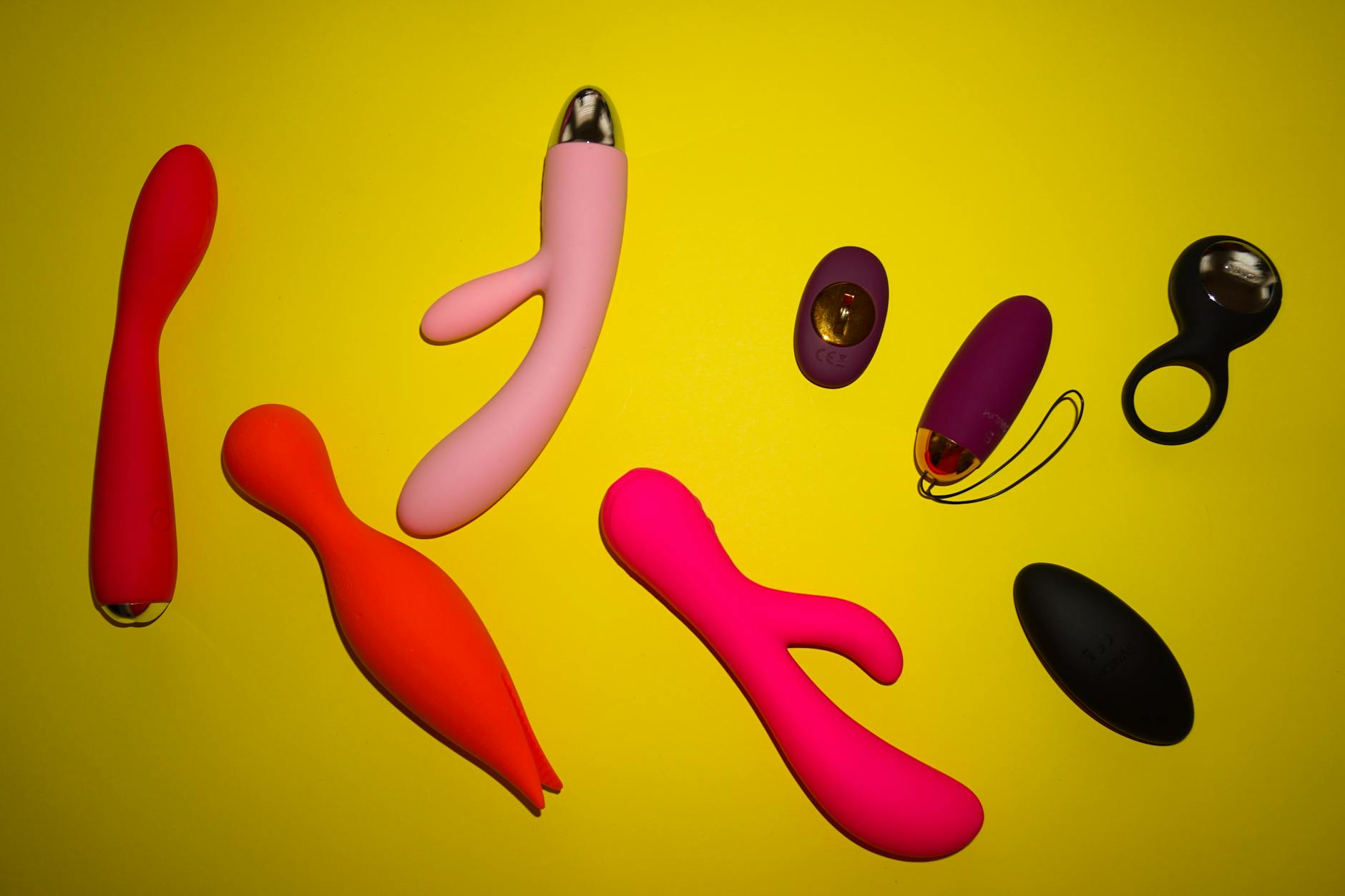
Clitoral suction vibrators like the Lem work differently than traditional vibrators, and that difference is genuinely valuable when your body is recalibrating.
Instead of direct vibration against sensitive tissue, suction stimulates a broader area and deeper nerve endings. When arousal is low, you need something that can wake up sensation without overstimulating. Direct vibration on a desensitized clitoris can feel irritating or numb. Suction feels more like a pulse, more like touch, and it engages nerves that haven't fired in a while.
Suction also bypasses some of the performance pressure. Because the sensation is different from what your body remembers, it doesn't trigger the same old patterns. You're not comparing it to "how it used to be." You're exploring something new. That mental reset is half the battle.
The Lem's intensity settings let you start low. You're not forcing your recalibrating body to meet the toy. You're meeting it where it actually is. Pattern one or two on the Lem feels almost gentle compared to a standard vibrator on its lowest setting.
Don't tell yourself you "have to" orgasm. You're gathering data. You're exploring. You're learning what touch feels like in your new hormonal landscape. That's enough.
Give yourself time to warm up. Now that your body is no longer chemically suppressed, arousal takes longer to build. Budget twenty to thirty minutes. Spend the first ten minutes doing nothing but noticing. Touch your body. Read something that interests you. Let your mind wander. This is the work.
Begin with the lowest setting. If you're using the Lem, start with pattern one. Don't jump to pattern four because that's what used to work. Your body is different now. What used to feel medium-intensity might feel aggressive. You're not losing pleasure capacity. You're just needing to rebuild the pathway.
Move around. Don't lock onto one spot. Try different positions and angles. Your clitoris is about twice the size of what you can see, and it extends backward. The suction of a lemon vibrator can reach nerves that direct vibration never touches. This is actually one reason people who've been on hormonal birth control for years sometimes have breakthroughs with the Lem. They're accessing sensation from a different angle.
Notice what your arousal actually feels like. After months on birth control, some people forget what their own arousal signals are. Is there warm fluid? Does your clitoris feel fuller? Does your breathing change? These are the real signs, not whether you orgasm.
Orgasm is not the goal right now. I know that sounds counterintuitive when you've just come off birth control partly to reclaim your body. But orgasm during this window is often elusive because the neurological pathways are still waking up. If it happens, great. If it doesn't, you're still doing the most important thing: proving to your nervous system that pleasure is safe again.
Let's talk about something nobody discusses: your lubrication might change when you stop hormonal birth control, and it might change in ways that surprise you.
Many people on hormonal birth control have less natural lubrication. Estrogen is involved in maintaining vaginal moisture, and when it's suppressed, lubrication decreases. When you stop the pill, you'd think lubrication would return immediately. Often it doesn't. It can take two to three cycles for natural lubrication to normalize.
Meanwhile, your cervical mucus changes. During ovulation, your body produces the clear, stretchy mucus that's fertile and slippery. You might not have felt this in years. It's not the same as lubrication, but it's there, and it's normal.
Use a water-based lubricant during this transition period. Not because your body is failing, but because lubrication supports comfort and sensation. The Lem works well with water-based lube. Apply a small amount to the opening and to the toy. You're not trying to create a slick situation. You're creating a comfortable one.
As estrogen returns, you might find you need less external lubricant. Or you might find you prefer it anyway. Both are normal.
Hormonal birth control often gets blamed for low libido, and sometimes that's accurate. But stopping birth control can be emotionally complicated too.
Some people come off hormonal birth control expecting to feel desire again, and then feel disappointed when they don't. Desire doesn't always roar back. Sometimes it creeps back in quietly. Sometimes it comes back in a different flavor than it used to be.
If you were on hormonal birth control during a long-term relationship, you and your partner might both be adjusting to your sexuality at the same time. They might not know what you normally want because they've never seen you not on birth control. You might not know either.
Take time. Use the recovery period to actually explore what you like now, not what you liked before. Your body is the same body, but you're different. Your hormones are different. Your life might be different. Your pleasure might be different too, and different doesn't mean worse.
If three months after stopping hormonal birth control your arousal still feels completely absent, your period hasn't returned, or your cycle is wildly irregular, that's worth mentioning to a doctor. Sometimes stopping hormonal birth control unmasks other issues like thyroid problems or vitamin deficiencies that were being masked.
If pleasure-seeking or touch triggers anxiety or panic, that's also information. It might be unrelated to the birth control. It might be a sign that something else needs attention.
Most people are fine after a few months. But some people need support. Getting that support is not failure. It's sense.
If you're in a relationship, this transition affects your partner too. They might feel confused about why you're not interested in sex when you just stopped birth control specifically to reclaim your sexuality. Or they might feel hurt if they interpreted low libido as low interest in them.
Talk about the timeline. Let them know this is physiological recalibration, not rejection. Use tools like the Lem as part of solo exploration, not necessarily as a couple activity right now. You need time to relearn your own body first.
When you do bring your partner back in, start slow. Sensate focus exercises, where you focus purely on sensation without any goal, work really well during this phase. The Lem can be part of that. It can also be something you use alone while your partner is present but not directing anything. You're rebuilding trust with your own body first.
How long does it take to feel sexually normal after stopping hormonal birth control?
Most people feel a significant shift within two to three months. Full recalibration, including consistent arousal and reliable orgasm, usually takes three to six months. Everyone's different though. If you're on the longer end of that timeline, you're not broken.
Will my orgasms feel different after coming off the pill?
Yes, usually. They might feel stronger because your body has more hormonal fuel. They might feel differently distributed through your body. They might take longer to build. None of these variations mean something is wrong. Your nervous system is literally rebuilding its pleasure pathways.
Is it normal to have no interest in sex for months after stopping hormonal birth control?
No interest at all for months is less common, but some people do experience a lag in spontaneous desire even as physical capacity returns. If you're experiencing this, check in with a healthcare provider about thyroid function, iron levels, and stress hormones. Sometimes it's just that your body needs time. Sometimes there's something else worth investigating.
Can I use the Lem while my hormones are recalibrating?
Absolutely. The Lem's suction-based stimulation is actually ideal during this period because it doesn't require the same level of arousal that traditional vibrators do. You can explore sensation without needing to be fully aroused first. That exploration actually helps arousal return faster.
What if I don't want to use toys during this recovery?
Then don't. Toys are optional. What matters is giving yourself permission to explore touch without pressure. Some people do that with a partner. Some people do it solo with no tools. Some people take a break entirely and come back to pleasure later. All of those are valid.
Should I tell my partner I'm exploring with a lemon clitoral vibrator during recovery?
That depends on your relationship and how you communicate. If you share sexual tools usually, this is probably a natural conversation. If you prefer privacy, that's also valid. What matters is that you're not hiding it because you feel shame. You're exploring your body. That's healthy and worthy of your own space if you need it.
Your body didn't forget how to feel pleasure. It was just being chemically quieted. Coming off hormonal birth control means listening to your body wake back up, which takes time and patience and usually some exploration. The Lem is one tool that works well during this phase because it meets your body where it actually is instead of pushing it to perform.
Give yourself the three to six months. Give yourself permission to explore without orgasm being the goal. Give yourself good information instead of guilt. Your pleasure is coming back. Sometimes it just takes a minute.