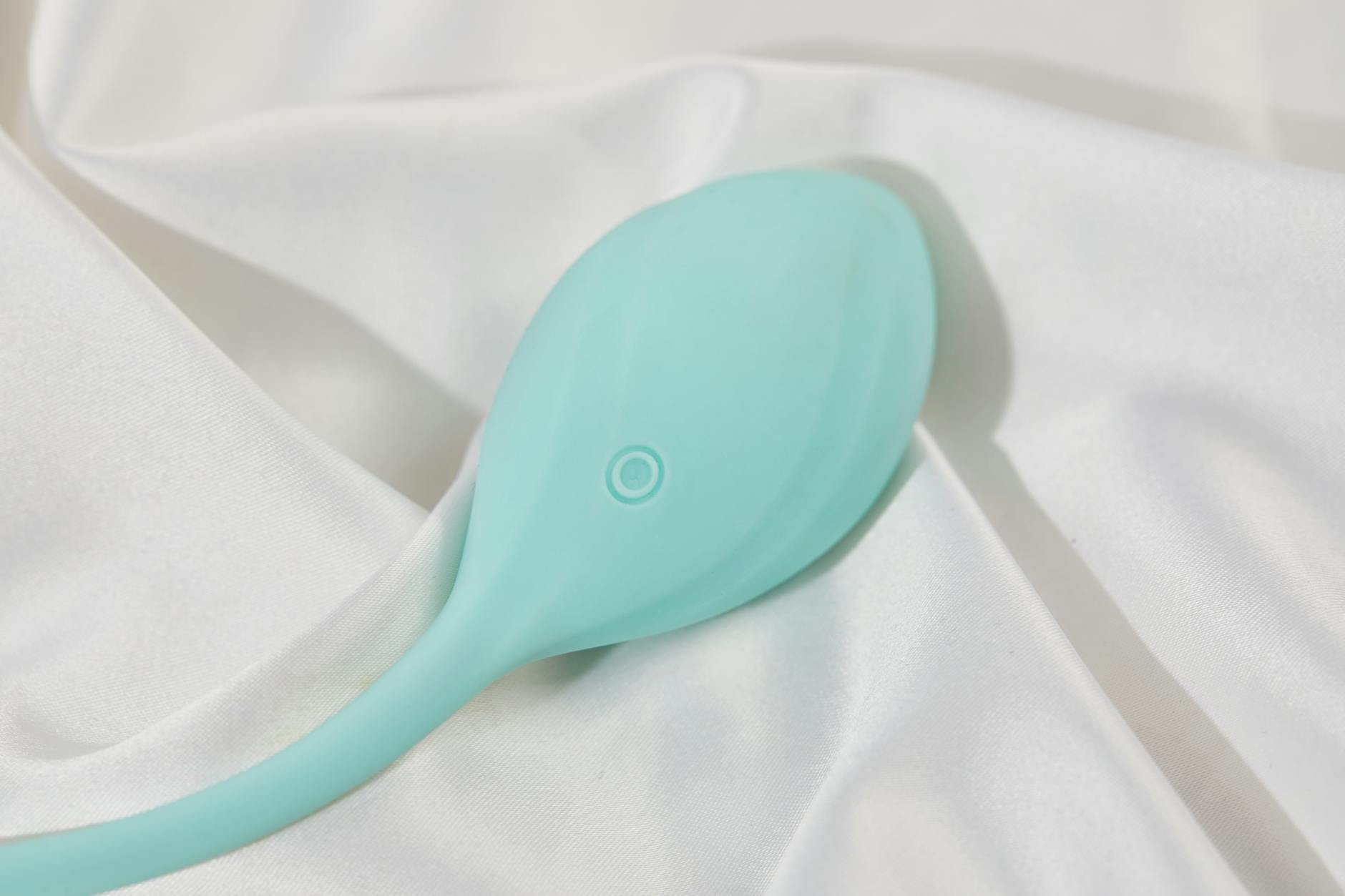
How to Use Lemon Vibrators When Starting Fresh After Years Without Pleasure
You didn't lose your capacity for sensation. You just took a break. Here's how to reconnect with your body gently, without pressure, using tools built for sensitive tissue.
Years without pleasure isn't a moral failure. It's common. Life happens—stress, medication changes, relationship shifts, burnout, grief. Your body didn't break. Your nervous system just learned to prioritize survival over sensation. The good news is that capacity doesn't disappear. It goes dormant.
Coming back to pleasure after a long gap feels different from starting fresh as a teenager. Your body knows what it used to feel. Your brain carries the memory of sensation. That awareness can be helpful, but it can also create pressure. This guide is built around removing that pressure and rebuilding at a pace your nervous system can actually handle.
When you've been away from pleasure for years, sensitivity becomes unpredictable. The clitoris is still there. The nerve endings are intact. But your body's arousal response has shifted. You might find direct stimulation overwhelming. You might need longer to warm up. You might feel nothing at all for a while, and that's normal.
Lemon clitoral vibrators like the Lem work better than traditional vibrators for this phase because suction stimulates without requiring the same kind of friction. Think of the difference between a hand pressing on your shoulder and a gentle cup pulling on your skin. Both create sensation, but one feels different. That difference matters when you're rebuilding trust with your own body.
The suction design also gives you control. You can start at pattern 1 or 2, barely feeling it, and work up. You're not fighting through intensity you didn't choose. That autonomy rewires the nervous system's relationship with pleasure.
Don't have an agenda. This is the hardest part to actually do, and the most important.
Set aside 15 minutes when you're alone and not rushed. Charge your lemon adult toy. Lie down or sit somewhere comfortable. You can use lubricant or not. You're not trying to orgasm. You're not trying to feel aroused. You're trying to notice what your body does when given gentle, consistent stimulation.
Start on pattern 1. Place the toy against the clitoris and hold it there. Most people hold it with light pressure. It's not a massage. It's more like a very light suction cup staying in place.
Notice what happens. Does the tissue respond? Does it swell slightly? Does sensation build or stay flat? Does your mind wander? Are you thinking about your to-do list or about your body? All of these are data points, not problems.
Many people report nothing happens the first few times. That's not a bad sign. Your nervous system is saying hello to something it hasn't engaged with in years. It needs multiple introductions before it gets curious.
Once you've spent a week noticing, increase frequency. Try using your lemon clitoral vibrator 3 to 4 times a week instead of once. Consistency matters more than intensity at this stage.
After the first week, you can add intention. Try different patterns. Notice if pattern 2 or 3 feels different from pattern 1. You might have a favorite already, or you might find the lowest pattern still feels most comfortable. Both are fine.
Start paying attention to your body's timing too. Are you more responsive in the morning? After coffee? After a stressful day? After a good night's sleep? Your clitoris has preferences. Getting to know them is part of the reconnection.
This is also the phase where you can experiment with lubricant if you want to. Water-based lube reduces any sensation of friction and can make the experience feel more comfortable. Some people find it helps them relax faster because there's no worry about discomfort.
If you have a partner, you don't need to tell them yet. This is your practice. This is your nervous system remembering its own pleasure.
You're used to arousal being a full-body response. Heart rate up. Breath changing. Wetness happening. When you're restarting after years away, you might get only one or two of those signals. Your clitoris might swell slightly while your heart rate stays steady. That's not a sign of failure. That's your nervous system coming online gradually.
Arousal exists on a spectrum. You don't need to hit a 10 to feel successful. A 2 or 3 is a success. A 5 is a big win. Your body is learning that pleasure is safe again.
Six to eight weeks in, you might notice patterns. Your body might respond differently on different patterns. You might notice that afternoon sessions feel different from evening ones. You might start feeling more sensation building, or you might plateau. All of this is exactly right.
If you're hitting a plateau around week six and feeling frustrated, resist the urge to increase intensity or change your approach drastically. Instead, change your context. Try a different room. Try a different time of day. Use lubricant if you weren't before. Take a three-day break and then restart. Small environmental shifts often unlock something your body was ready for but hadn't found yet.
Some people report that orgasm returns around week eight or nine. Others take months. The timeline varies wildly based on stress levels, medication, relationship dynamics, and just basic neurology. None of these timelines are wrong.
If you have a partner and you want to eventually include them, start this conversation around week four or five, not earlier. By then you have data about what your body actually responds to. You're not guessing.
The conversation doesn't need to be complicated. Something like: "I've been exploring some things about what my body needs right now. I'd like to keep doing that, and at some point I might want to share that with you. For now I'm just noticing what feels good." That's it.
Many partners appreciate knowing what's happening instead of wondering. It also takes pressure off them. They're not responsible for fixing your pleasure. You're rebuilding it yourself, and they get to watch and maybe eventually participate.
When you do eventually use a lemon vibrator with a partner, it changes the dynamic in a good way. They can watch. They can hold it sometimes. They can focus on other touch while you focus on the sensation coming through the toy. It distributes the pressure to perform and lets both of you relax.
Don't shame yourself if you feel nothing for the first few weeks. Don't assume you've lost the ability to feel pleasure. Don't increase intensity dramatically hoping to jump-start sensation. Don't try to perform arousal you're not actually feeling.
Also resist the urge to turn this into a project with milestones. "By week six I should be having orgasms." That's a setup for disappointment. Your body doesn't care about your timeline. It cares about safety and consistency.
Avoid comparing your experience to what you felt before. The sensation of pleasure changes every decade. Your 20-year-old body and your current body are different. That's not loss. That's just change.
If you're in physical pain when using any clitoral vibrator, stop and see a pelvic health physical therapist. Pain is data. It usually means something needs attention.
If you're months in and still feeling completely numb despite consistent practice, it's worth talking to your doctor. Medication side effects, hormonal changes, and certain health conditions can genuinely suppress sensation. There's no shame in getting support for that.
If the lack of pleasure is connected to trauma or complicated emotions around sexuality, a therapist who specializes in sexual health can help you untangle that. Pleasure isn't just physical. Sometimes the nervous system needs help feeling safe before the body can relax into sensation.
Lemon vibrators are designed for this exact scenario. The suction action, the gentle patterns, the control you have over intensity. They work for many people who are rebuilding sensation. They might work for you. Or you might need a different tool, or no tool at all for a while. Both are completely fine.
The tool isn't what does the work. Your nervous system does. The tool just creates the opportunity for your body to remember what it's capable of. There's a difference.
There's no standard timeline. Some people notice changes in weeks. Others take months. The variables are huge: stress levels, medication, whether you're in a relationship, how much pressure you're putting on yourself, underlying health conditions. The only timeline that matters is yours. If you're consistent and patient, your body will respond. The when is less important than the whether.
Completely normal. Your nervous system has been offline in this way for years. It needs multiple signals before it registers that this is safe and pleasant. Think of it like waking up. The first morning after a long sleep, you don't jump out of bed running at full speed. You lie there for a minute. You stretch. You gradually come online. Same thing is happening with sensation.
It's your choice. Water-based lubricant can help some people relax because there's no worry about friction or discomfort. Others find that it feels better without anything. Try both and notice what your body prefers. Preferences can also shift over time. What felt best in week two might feel different in week six.
Both work. When you're restarting, solo use is actually better because there's zero pressure. You're not thinking about your partner's experience or your partner's pleasure. You're focused entirely on noticing your own sensation. That focus is powerful for rebuilding. You can absolutely add a partner later if you want to.
Talk to your doctor. Medication side effects, hormonal imbalances, certain health conditions, and even unresolved trauma can genuinely suppress sensation. That's not a personal failing. It's a medical or psychological thing that might need support. A healthcare provider can help you figure out what's getting in the way.
No. Your nervous system can learn and relearn at any age. Your capacity for sensation doesn't have an expiration date. It goes dormant sometimes. It doesn't disappear. With patience and consistency, you can rebuild it.
Your body remembers pleasure even when it's been years. That memory is an asset, not a liability. You're not learning from zero. You're reconnecting with something that's already part of your neurology.
The fact that you're reading this means you're ready to come back. That readiness matters. It means your nervous system is signaling that pleasure feels possible again. Listen to that signal. Give your body time. Use tools like Hello Nancy's lemon vibrators that give you control and gentleness. Be patient with yourself.
Sensation will return. It might look different than it did before. That's not loss. That's evolution.