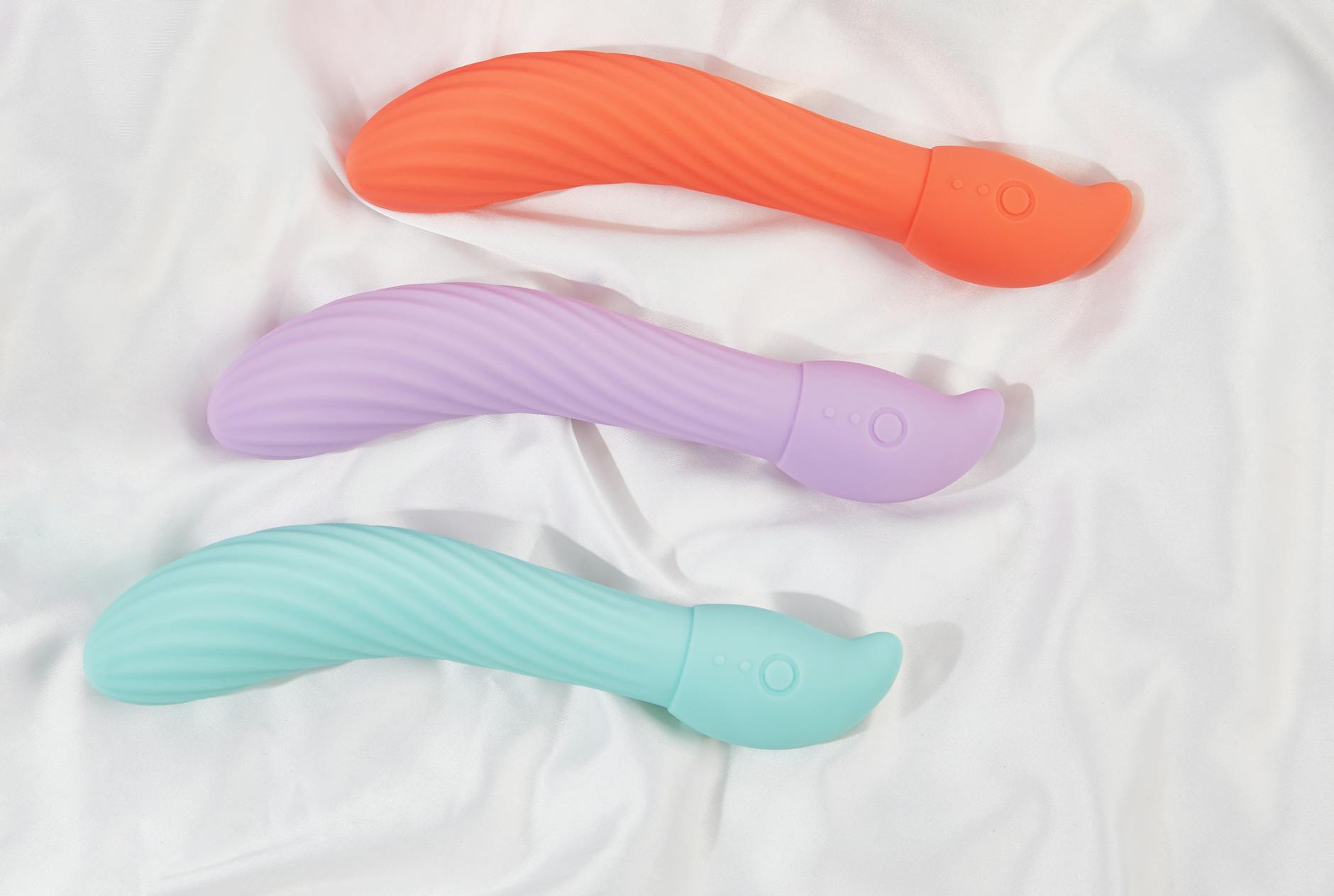
Your body doesn't stop wanting pleasure in your 40s. It just asks for it differently. If you've been using a lemon vibrator or other clitoral vibrator since your 20s or 30s, you've probably noticed it already. The settings that used to feel perfect now feel wrong. The warm-up that took five minutes takes fifteen. The angle that delivered reliably now requires adjustment. You're not broken. This is what 40 looks like.
I work with couples in their 40s navigating exactly this transition, and the pattern is always the same: someone reaches for their device expecting the familiar experience, and instead feels confused, frustrated, or even a little grieved. That reaction tells me something important is being misread as loss when it's actually evolution. Understanding what's happening physiologically is the first step to reclaiming pleasure with confidence.
Let's start with the obvious biological shifts. Estrogen levels remain relatively stable in your 40s—that's not the menopause story yet. But testosterone does decline, slowly but measurably. You produce less of it each year starting around 30. By 40, cumulative drop is noticeable. Testosterone drives desire in everyone, so lower levels mean arousal takes longer to build. This is not the same as lower capacity for pleasure. Different pathway, same destination.
Collagen also decreases. Your skin changes everywhere, including vulval tissue. The clitoris remains densely innervated (all those nerve endings are still there), but the surrounding tissue becomes thinner and less elastic. This means direct stimulation can feel sharper or more intense in ways that might feel uncomfortable rather than good. That's why the setting you loved at 32 suddenly feels too much at 42.
Blood flow patterns shift slightly. Arousal engorgement takes longer. Your pelvic floor muscles, if they've been under-engaged or over-tight from stress or posture, may have lost some tone. All of this means the physical experience of arousal changes shape.
Here's the part I emphasize to every client: your ability to have an orgasm does not decline. The neural pathways for pleasure don't age out. What changes is the trigger sequence and the sensory sweet spot. That's fixable information, not a diagnosis.
Clitoral suction toys like the Lem work by creating a gentle seal and rhythmic suction. They don't rely on vibration frequency alone. Because of that, they're incredibly sensitive to tissue change. If your clitoral tissue has thinned, the sensation feels different. If arousal takes longer, the toy's effectiveness at low settings changes. If your pelvic floor tension has shifted, the angle of approach matters more.
This is actually useful information. A lemon sucker or any quality clitoral vibrator is like a biofeedback device for your body's actual state. When it feels different, it's telling you something real about what's changed, not that the toy broke or that you broke.
Many people in their 40s report that lemon vibrators feel too intense at settings they previously enjoyed. This is almost always because tissue sensitivity increased as the surrounding tissue thinned, not because the toy got stronger. It's a reversal of what you'd expect, which throws people off. You think you need less sensation when actually you need a different approach to sensation.
One of the most consistent shifts I hear about is that arousal takes longer. At 35, you could go from zero to receptive in five minutes. At 42, you might need fifteen or twenty. This feels like a loss if you're comparing it to the old timeline. It's actually an invitation to a different kind of experience.
Longer arousal means more time to build anticipation, more exploration, more foreplay with yourself or a partner. The orgasm, when it comes, often has a different texture. Some people report that it's more localized, more centered in the clitoris. Others say it's deeper but takes longer to build to the peak. Both are normal. Neither is better or worse, just different.
If you're using a lemon clitoral vibrator and noticing you need more warm-up time, here's what helps: start touching without the device. Spend five minutes on manual stimulation, letting arousal build. Then introduce the toy at a lower setting than you used to. Let it work with your natural arousal curve rather than trying to rush past it. You're not being inefficient. You're being attuned to what your body actually needs right now.
Tissue thinning can make direct clitoral stimulation feel too sharp. This is where the design of tools like lemon vibrators becomes crucial. Suction-based stimulation is inherently gentler than direct vibration because it distributes pressure over a larger area and works through rhythmic pressure changes rather than frequency alone.
If you're finding lemon vibrators or similar devices feel harsh in your 40s, try these adjustments. First, start at pattern 1 or 2 instead of your old baseline. Second, use lubrication generously, even if you didn't need it before. Lubrication isn't about dryness alone. It creates a smoother interface between the toy and tissue, reducing friction that can feel sharp. Third, experiment with angle. A few millimeters of adjustment can shift the sensation from uncomfortable to perfect.
Some people also find that wrapping a thin layer of fabric around the toy's contact area softens the sensation without blocking the suction mechanism. This sounds odd but works for many, especially if you have particularly sensitive tissue or have experienced increased sensation from thinning rather than decreased.
It's not just solo pleasure that changes. Sex with a partner in your 40s often requires different timing, communication, and sometimes positions. If you've been together for years, your partner might not realize arousal speed has changed. If you're with a new partner, there's often embarrassment about needing more time or more foreplay.
Here's what I tell clients: arousal timeline changes are not a personal failure or a sign of waning desire. They're a fact of midlife biology. Communicating that clearly to a partner transforms the dynamic. "I need more warm-up time now, and here's what works" is radically different from quiet frustration or performing arousal you don't feel.
Introducing lemon vibrators or other clitoral toys into partner sex in your 40s also often hits differently than it did earlier. There's less self-consciousness, more permission to ask for what you need, and frankly, often better orgasms because you know what works and you're less worried about how it looks. That's a real advantage of midlife pleasure.
One variable I see frequently in my clients' 40s is increased pelvic floor tension. Years of sitting, posture habits, stress holding, and sometimes sexual performance anxiety create tightness that dampens sensation. A tight pelvic floor can make clitoral stimulation feel muted or create discomfort. It can also change the texture of orgasm, making it feel more surface-level.
If your lemon vibrator suddenly feels less effective, pelvic floor tension might be the culprit, not age itself. The solution is conscious relaxation, not harder stimulation. Breathwork helps. So does gentle stretching. Some people find that a few sessions with a pelvic floor physical therapist completely transforms sensation.
This is where the long-term use of quality tools becomes valuable. When you understand your baseline, you notice when something shifts. That information helps you identify what's actually changed, whether it's hormonal, tension-based, or just a new preference.
Let me be direct: many people experience their best, most consistent, most satisfying orgasms in their 40s. Not despite the changes, but because of them. The combination of less distraction, fewer hormonal fluctuations than earlier decades, more self-knowledge, and often less performance anxiety creates space for genuine pleasure.
When rebuilding intimacy after significant life transitions, the changes in your 40s can actually be an asset. You know yourself better. You're less willing to fake it. You have permission, finally, to ask for what actually works.
The key is reframing the bodily changes as information rather than loss. Your lemon vibrator feels different because you feel different. That's not a problem. It's an opportunity to reconnect with your pleasure on your terms, right now, at 40 or beyond.
If you've noticed lemon vibrators feeling different in your 40s, here's the practical reset. Start with lower patterns and build up. Invest in good water-based lubrication and use it generously. Budget more time for arousal. Pay attention to pelvic floor tension and address it if needed. If you have a partner, communicate the timeline change explicitly.
Consider learning techniques specific to midlife sensation if you haven't already. And if you're dealing with something that feels like actual pain or complete numbness rather than sensation shift, see a doctor. Genitourinary syndrome can appear in your 40s and is treatable.
Most importantly, release the idea that pleasure should feel the same at 45 as it did at 25. Your body is not broken. It's not less capable. It's just different. Lemon vibrators, lemon clitoral vibrators, and other quality tools can work beautifully with these changes when you understand what they are.
Your pleasure in your 40s is not a echo of your 20s. It's its own thing. And often, it's better.
Clitoral tissue doesn't change much, but the surrounding vulval tissue thins with age and lower estrogen production. This means the clitoris sits slightly differently, and direct stimulation can feel more intense. It's not that your nerves became more sensitive. It's that the tissue architecture changed. This is why what felt perfect at 30 can feel too sharp at 40. The fix is usually lower initial intensity, better lubrication, or a toy designed for gentler pressure distribution, like a lemon sucker that uses suction rather than direct vibration.
There's a measurable difference. In your 30s, many people experience arousal within three to ten minutes of stimulation. In your 40s, the baseline often extends to ten to twenty minutes. This isn't failure. It's a physiological shift related to testosterone decline and slower blood flow engorgement. Once arousal builds, orgasm capacity and intensity usually remain stable or improve. Longer arousal isn't a problem if you frame it as extended foreplay rather than delay.
Absolutely. Orgasm capacity doesn't decline with age. Some people find that the refractory period between orgasms changes. You might need more recovery time or more direct stimulation to trigger a second one. You might also find that you're more satisfied with fewer, more intense orgasms. The variability is normal. Lemon vibrators work just as well for multiple orgasms in your 40s as in your 20s. The rhythm and settings might change, but the capacity is there.
No. While testosterone decline is real, decreased pleasure in your 40s can also be related to pelvic floor tension, stress, relationship changes, medication side effects, or even just distraction. I recommend checking all of these variables before assuming hormones are the issue. Many of my clients find that addressing pelvic floor tightness or improving sleep and stress management significantly improves sensation without any hormonal intervention.
Not necessarily. A good lemon vibrator or quality clitoral vibrator works across decades if you adjust how you use it. Lower patterns, better lubrication, longer warm-up time, and attention to angle usually solve the "feels different" problem. That said, some people find that suction-based toys like lemon vibrators work better in midlife than purely vibrational toys because they're gentler on thinned tissue and work well with variable arousal timelines.
Numbness is different from sensation shift and deserves attention. It can indicate pelvic floor dysfunction, nerve involvement from tension or injury, or medication effects. See a pelvic floor physical therapist or a gynecologist who specializes in sexual health. Don't assume numbness is just part of aging. It's often addressable with targeted work.
If the changes you're experiencing feel bigger than just sensation shift, or if you're navigating pleasure changes alongside relationship transitions, reach out. Midlife pleasure is real, and you deserve support in reclaiming it on your terms.