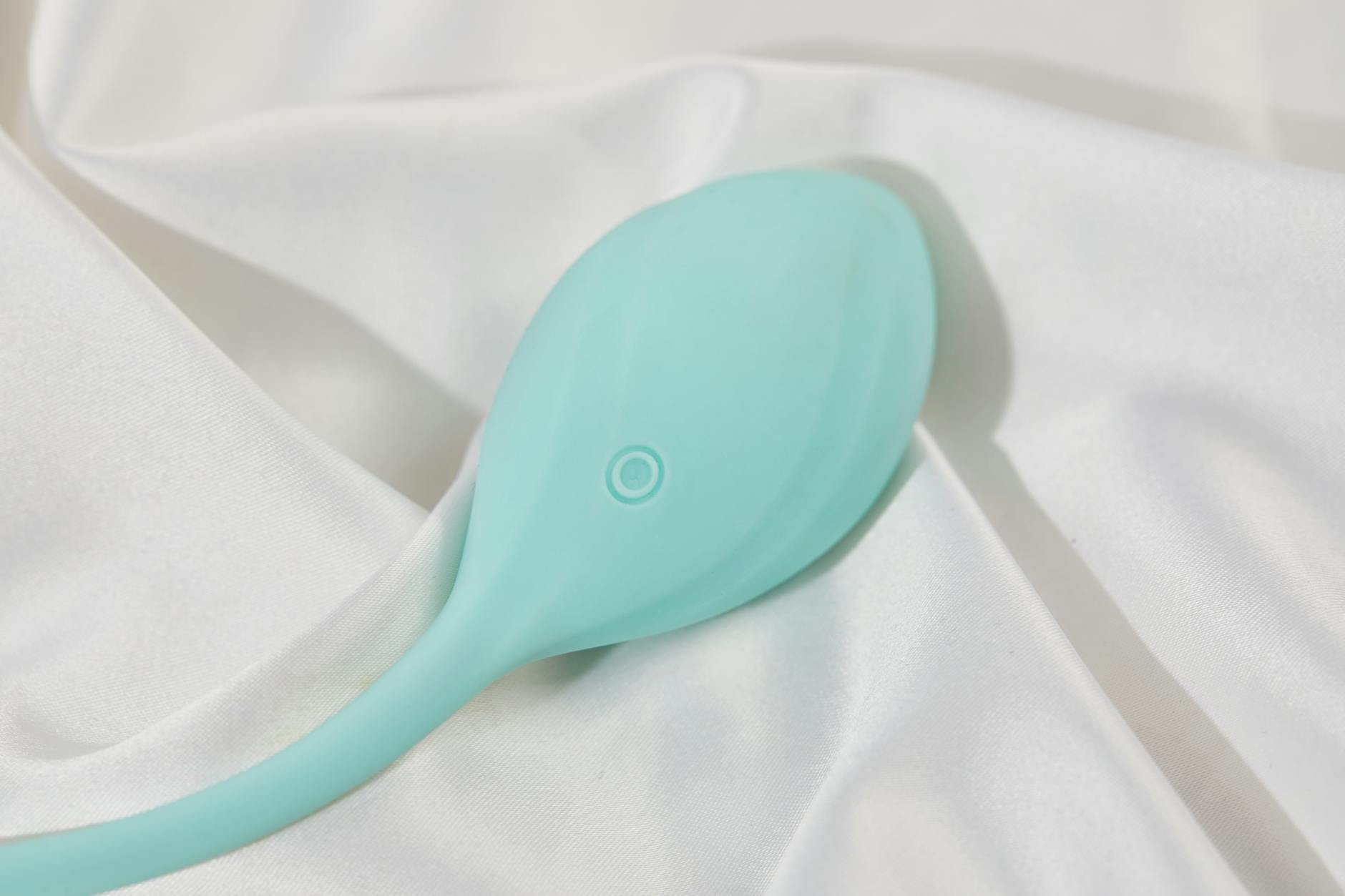
Most clitoral toys rely on direct vibration or rotating contact. They press against tissue, creating friction. For people with sensitive skin, eczema, dermatitis, or reactive vulva tissue, that friction compounds irritation fast. Lemon vibrators work on a completely different principle.
They use air-suction stimulation. No direct friction. No abrasion. Just rhythmic suction that engages nerve endings without mechanical pressure. That single shift changes everything for sensitive users.
When you have sensitive skin anywhere on your body, friction triggers inflammation. The vulva is exponentially more sensitive than your forearm. It has about 8,000 nerve endings in the clitoral glans alone. It's also thinner tissue than most areas of your body, which means it reacts to pressure and heat faster.
Traditional vibrators create heat through sustained contact and movement. That heat plus friction equals irritation, especially if you have a history of:
Eczema or psoriasis
Contact dermatitis
Yeast or bacterial infections
Vulvodynia or vulvar pain syndromes
Reactive skin from tight clothing or sweat
Hormonal-related sensitivity (particularly common during certain phases of your cycle or after menopause)
You're not broken. You're just using the wrong tool for your tissue.
Air-suction devices like lemon toys create a gentle pressure gradient. The suction cups seal loosely against tissue and pulse air at varying intensities. This stimulates without sustained mechanical contact.
Think of it this way: traditional vibrators are like rubbing sandpaper gently on your arm. Air-suction toys are like a light touch that changes rhythm. One creates friction heat. The other creates a wave of gentle pressure.
The suction activates the same nerve cluster as direct stimulation, but without the inflammatory cascade that friction triggers. Your skin stays cool, hydration stays intact, and irritation doesn't spiral.
Lemon toys are engineered with silicone cups that create a seal without pinching. The cup diameter matters: if it's too wide, it creates uneven suction pressure. If it's too narrow, it feels like poking. Lemon vibrators are sized specifically for the clitoris, which means even suction distribution and zero pressure points.
The suction intensity is also adjustable. You start at level one and build from there. With friction-based vibrators, you're locked into whatever sensation the vibration pattern creates. You can't dial down friction the same way. With air suction, intensity scales smoothly, which matters hugely if your sensitivity fluctuates day to day or cycle to cycle.
Silicone is also inert. It doesn't absorb bacteria, doesn't off-gas irritating chemicals, and cleans easily. Some vibrators are made with porous materials or rubber that can trap irritants or release plasticizers. Lemon toys avoid that entirely.
Dermatologists who specialize in vulvar health increasingly recommend air-suction devices over traditional vibrators for patients with sensitive skin. The reason is simple: lower inflammation risk equals faster healing and better long-term tissue health.
If you've ever had a yeast infection or bacterial vaginosis, your tissue is already compromised. Adding friction on top of that is like scratching a sunburn. Air suction gets you the stimulation and pleasure without aggravating the healing process.
Similarly, if you're managing vulvodynia or any form of vulvar pain syndrome, friction can trigger flare-ups. Air suction offers sensation without the mechanical irritation that amplifies pain signals.
Start with the lowest intensity setting. Lemon vibrators ship with multiple intensity levels for a reason. Your nerve endings are incredibly responsive. You don't need high power to feel amazing. Many people with sensitive skin report that level two or three on a lemon toy feels more intense than a traditional vibrator on full power.
Warm up first. Spend 10-15 minutes with a partner or on your own focusing on non-genital touch. Arousal increases blood flow to the vulva, which actually increases your skin's resilience. You'll get more sensation and lower irritation risk.
Use water-based lubricant even if you don't think you need it. Lube isn't just about wetness. It's a physical barrier that reduces friction between the toy and your skin. Even with air-suction toys, a small amount of lube improves the seal and reduces any drag.
Let your skin breathe. If you're noticing any redness after use, give yourself 24 hours before using the toy again. That's not a problem with the toy. That's a signal that your tissue needs recovery time. Cotton underwear and loose clothing help.
If you're experiencing persistent burning, itching, or pain even with low-intensity air-suction toys, talk to your doctor. Sometimes sensitivity is a signal of an underlying condition like lichen sclerosus, vulvodynia, or dermatitis that needs specific treatment.
A gynecologist or dermatologist can identify whether your sensitivity is structural, infectious, hormonal, or inflammatory. Once you know what's actually happening, you can address it directly. Then clitoral vibrators (lemon or otherwise) become a tool you use confidently, not something that triggers worry.
You deserve pleasure without pain or irritation. That's not a luxury. That's baseline.
Yes, often with significant relief. Vulvodynia involves chronic pain or burning, and friction-based toys frequently trigger flare-ups. Air-suction stimulation avoids that trigger while still providing sensation and orgasm. Start with the lowest intensity setting and go slowly. Many people with vulvodynia report that lemon toys are the first devices they've used without pain.
Absolutely. Eczema-prone skin needs to avoid friction and heat. Air suction delivers stimulation without either. The silicone is non-irritating and doesn't absorb bacteria. If you're in an eczema flare, skip the toy entirely until the acute inflammation settles. Once skin is calmer, air-suction toys are typically very gentle.
Traditional vibrators use mechanical oscillation and often rotating or pulsing patterns that create sustained contact and friction heat. Lemon suckers use air-suction pressure waves, which stimulate without friction. For sensitive skin, the absence of friction is the critical difference. Your tissue stays cool, hydration stays intact, and irritation risk drops significantly.
Yes. Silicone is non-porous, inert, and doesn't leach chemicals. Rubber can be porous and may off-gas plasticizers that irritate sensitive skin. Lemon vibrators are made from medical-grade silicone, which is the gold standard for intimate devices. Always check your toy's material. If the product page doesn't specify silicone, that's a red flag.
Depends on your individual tissue. Some people use air-suction toys daily with zero irritation. Others need 48 hours between sessions. Pay attention to how your skin responds. Light redness or warmth is normal during arousal. Persistent redness, swelling, or discomfort after 30 minutes means you need more recovery time. Lubricant also matters. More lube usually means faster sessions and faster recovery.
Possibly, but with caution. If you're allergic to latex, you need a latex-free toy. Lemon vibrators are silicone, so that's safe. For lube allergies, water-based lube is still often compatible even if other lubes trigger reactions. Test on a small area first. If you have widespread sensitivity to lubricants, talk to your doctor about what's safe. You might need a prescription-strength barrier cream or a hypoallergenic lube formulation.
Sensitive skin doesn't mean you don't deserve pleasure. It means you need the right tool. Lemon vibrators were designed with sensitive tissue in mind. They deliver sensation through air suction instead of friction, which means stimulation without irritation. Start low, use lube, and listen to your body. That's the foundation for pleasure that actually feels good.